
In this article, you’ll learn:
- Why cold brew is outpacing iced coffee as a growth driver
- What consumer trends are fueling its rise
- How cafés and roasters can scale efficiently using the right equipment
From coffee shops and restaurants to grocery stores and supermarkets, the boom of cold brew coffee popularity has never been higher. While iced coffee has often been the go-to for consumers who want a caffeine boost in a cold drink, the market is evolving.
Now, wellness and health trends are transforming how consumers drink coffee. While it was once exclusive to third-wave specialty coffee shops, cold brew’s smooth mouthfeel and rich flavour have vastly elevated its presence. But what exactly is driving cold brew’s staggering rise, and how can coffee shops and roasters respond?
To learn more, I spoke to Hamza Sawa. He is a Business Consultant for Radar Consultancy, with a focus on quality evaluation, operational efficiency, and RTD production. Read on for his insight into cold brew coffee popularity.
How popular is cold brew becoming with consumers?
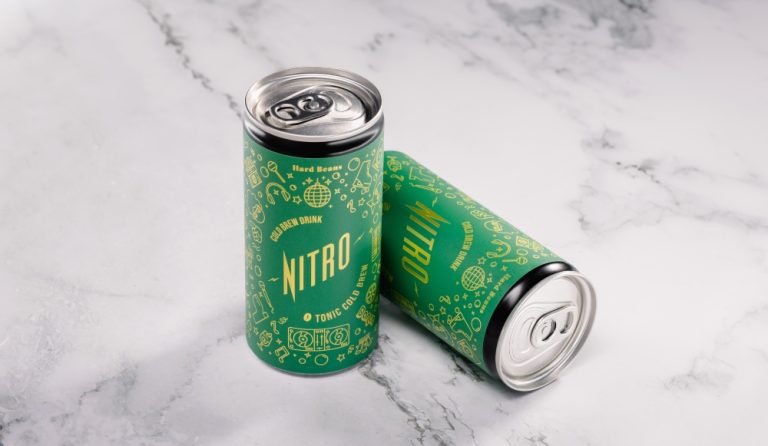
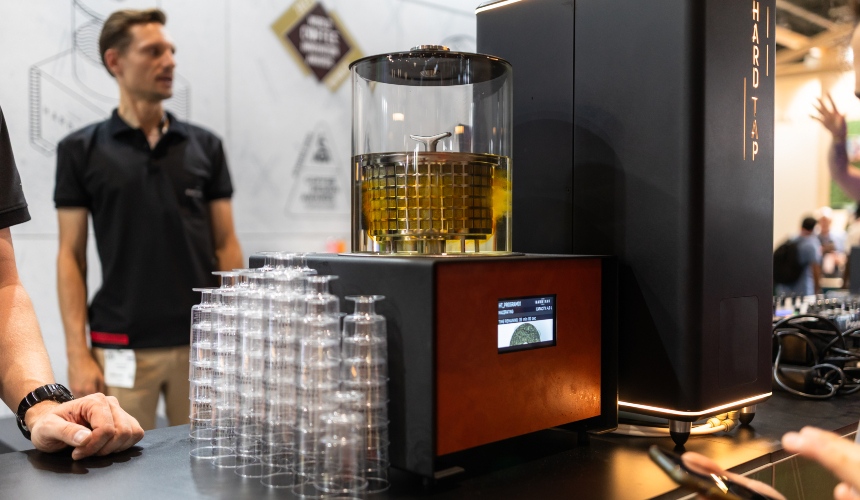
Once a niche menu item exclusively found in specialty coffee shops, cold brew is now a mainstream rival to regular iced coffee. In the UK alone, 43% of consumers now drink cold brew at least once a month. In the USA, leading quick service restaurants like McDonald’s, Taco Bell, and Denny’s now offer cold brew on their menus.
Cold brew is breaking into coffee culture at a staggering rate. The global market is growing by more than 22% each year and is currently valued at over $3.5 billion. The ready-to-drink (RTD) sector is also expanding, with brands like illy and Grind launching their own canned cold brew in recent years.
“I see it everywhere now,” Hamza tells me. “People are genuinely falling in love with its smoothness and depth. It’s no longer a niche thing – it’s part of everyday coffee culture.”
Retailers and mainstream coffee chains are taking notice of this popularity, too. Supermarkets now have entire sections just for bottled or canned cold brew. Similarly, coffee shops are adding it to their menu as a viable alternative to traditional iced coffee. It’s a testament to the drink’s rising popularity – but like any trend, this development hasn’t come from nowhere.
Why cold brew coffee popularity is on the rise
Cold brew’s recent surge in popularity is mostly due to evolving consumer tastes. More than ever before, they want drinks that are healthy and naturally derived. Due to its smoother mouthfeel, low acidity, and natural sweetness, cold brew meets all of these demands.
“Consumers appreciate that it’s easy to drink, low in acidity, and feels like a premium experience without being complicated,” Hamza explains. “I personally love how it highlights the beans’ natural flavours.”
It also fits seamlessly into health-conscious consumer trends, which have dominated the beverage industry in recent years. Many associate cold brew coffee with “clean energy” – meaning caffeine without added sugar and low in calories. Within younger demographics like Millennials and Gen Z, 58% are willing to pay more for drinks with health benefits, making cold brew a platform to generate growth.
Compared to regular iced coffee, cold brew is often positioned as a more premium product. Since it takes longer to prepare and the flavour is more distinctive, it’s often sold at a higher price point. Consumers are willing to pay this additional cost for high-quality drinks, making cold brew just as valuable for businesses as it is for customers.
Another reason for this boom in cold brew coffee popularity is its versatility. You can serve it still or infused with nitrogen for a creamy, stout-like texture that’s different from any other coffee format. You can also use cold brew as a base for coffee cocktails, fruit infusions, or functional drinks. It means you can capture a range of consumer trends with just one drink, just by slightly adjusting your recipe.
For all of these reasons, cold brew coffee popularity has shot up in recent years. “Maybe it won’t completely overtake traditional iced coffee, but it’s definitely becoming a favourite,” Hamza tells me. “For many, it’s become more than a drink – it’s now a ritual.”
How can coffee shops and other businesses adapt to the increased cold brew coffee popularity?
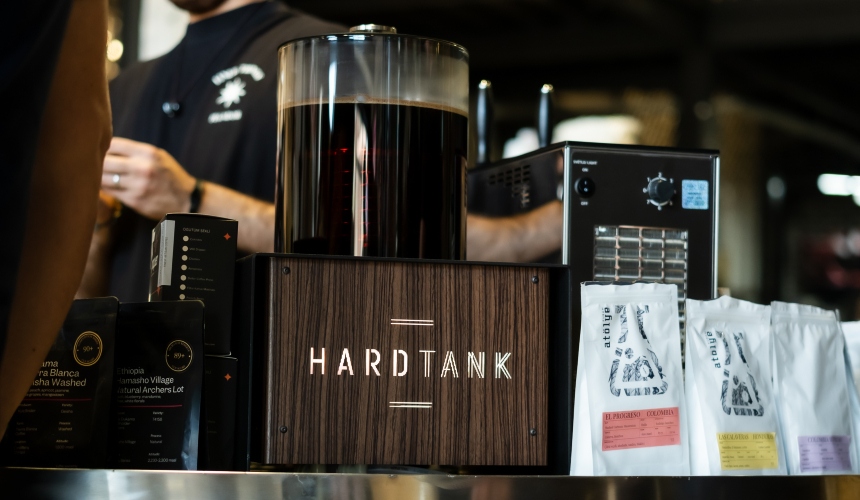
To meet the rising cold brew coffee popularity, coffee shops and other businesses need specialised equipment. Traditional preparation methods are time-consuming, produce inconsistent results, and are often susceptible to microbial activity. For businesses hoping to scale production to meet these market trends, relying on these methods is increasingly unviable.
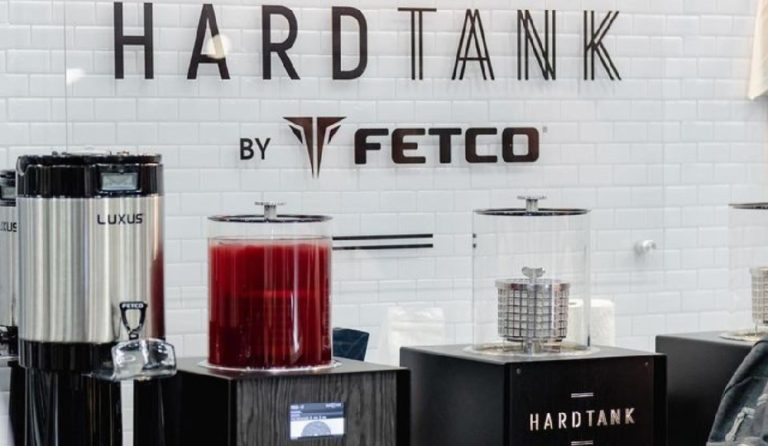
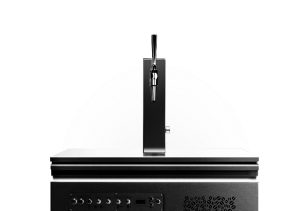
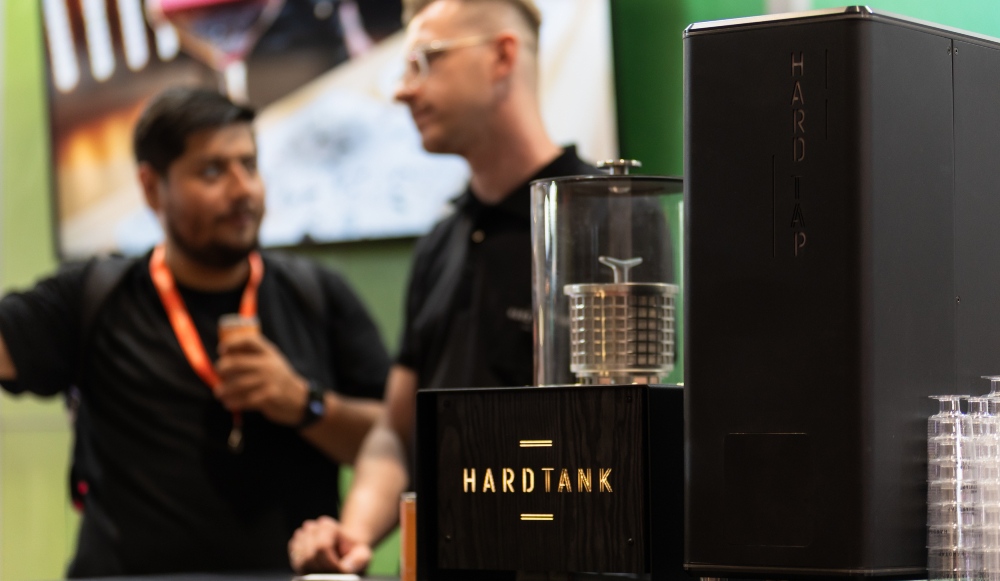
But growing demand brings operational challenges – especially for cafés still relying on manual brewing or long steeping times. This is why specialised cold brew equipment like the Baby Hardtank is particularly useful. Hardtank’s machines use patented recirculation technology to constantly agitate coffee grounds in the extraction chamber, speeding up production to under an hour for a batch. This speed means coffee shops, bars, and restaurants can easily adapt to the demand for fresh cold brew without needing extensive cold storage.
“From my experience, the key to great cold brew is understanding your beans and extraction,” Hamza says. Systems with automated brewing profiles help you guarantee the same quality in every batch. “Once you master that, you can play with flavours and nitro options. Consistency is everything.”
While cold brew is a hot trend in specialty coffee, it’s far from the only in-demand product. Hardtank machines also support a wide range of ingredients for other drinks. With Hardtank, you can also prepare:
- Flavoured cold brew using natural ingredients like hibiscus
- Cold brew tea infusions
- Alcohol-free mocktails
Your choice of cold brew equipment can not only help you adapt to current cold brew coffee popularity but also future-proof your business as consumer tastes evolve.
Evidently, cold brew coffee popularity isn’t just a summer hit or another passing trend. Instead, it represents a permanent shift in how consumers drink coffee and the expectations they have. To capitalise on this significant development, you need processes that can meet the demand without sacrificing quality.
Cold brew coffee popularity: Key takeaways
- Cold brew coffee is no longer a niche menu item, with major chains and grocers selling it all year round.
- Consumers choose cold brew due to its low acidity, smooth flavour profile, and perceived “clean energy” benefits.
- They are willing to pay more for cold brew as well, so finding ways to add it to your menu is essential for revenue growth.
- Investing in the right cold brew equipment helps cafés scale efficiently and meet growing demand year-round.
Schedule a demo with our team or explore our full product catalogue to see how Hardtank can help you meet demand for cold brew – fast, consistently, and at scale.
Cold brew coffee popularity FAQs
Is cold brew coffee popularity increasing?
While it hasn’t overtaken traditional iced coffee, cold brew coffee popularity is growing fast. Most major coffee chains now offer it, and a growing proportion of health-focused young consumers favour it.
Why do consumers prefer cold brew over iced coffee?
It’s mainly due to cold brew’s smooth flavour and natural sweetness, which make it a health-aligned caffeine boost.
How can I offer cold brew at scale?
For fresh service, systems like the Baby Hardtank help coffee shops and other businesses quickly and efficiently prepare cold brew to meet the growing demand.
How can I make cold brew production more efficient?
Using automated cold brew systems like the Baby Hardtank can cut brewing time to under an hour while maintaining consistency and hygiene standards.
Want to learn more about our cold brew coffee machines?
- See the Baby Hardtank in action: Watch our product presentation.
- Learn more: Read about the Baby Hardtank here.
- Speak to a cold brew coffee expert: Contact our team here.