
In this article, you’ll learn:
- Cold brew vs. iced coffee: Market popularity & growth
- Ensuring cold brew consistency for customer loyalty
- Strategic menu positioning for selling cold brew
- Leveraging automated cold brew equipment and a cold brew dispenser for quality & sales
Cold brew has finally become a menu staple for coffee shops and foodservice businesses, but that doesn’t mean it’s reaching its full potential. In North America, cold brew currently accounts for over a third of all iced coffee launches, but its market size is still lower than hot coffee and standard iced coffee.
Despite the smaller market size, cold brew is growing at a staggering rate. It’s currently expanding at a rate of 22% annually, whereas hot and regular iced coffee are only growing by 5%. Therefore, finding unique and innovative ways to promote and sell cold brew is essential to penetrating this fast-growing market. In this article, we take a closer look at what’s holding cold brew back and how cafés, coffee shops, and multi-site operators can turn things around with a cold brew dispenser.
To learn more, I spoke to Kate Danilenko. She is the Head of Coffee at The Folks, a Portuguese roaster with six locations in Lisbon. Read on for her tips on selling cold brew to make it a more marketable product for customers.
Why consistency is key to selling cold brew
Undoubtedly, cold brew coffee is no longer the niche drink it once was. In fact, in the United Kingdom alone, 43% of coffee consumers drink it at least once a month. However, this figure can increase with an adjustment of strategy, both in how you make cold brew and advertise it.
Unlike espresso-based beverages such as lattes and Americanos, cold brew isn’t automatically associated with routine. For example, it’s not the default to order cold brew early in the morning, or as an afternoon pick-me-up. Instead, it’s commonly associated with luxury, premium experiences due to its smoother mouthfeel and more subtle, less bitter flavour profile.
Because most coffee shop customers will order traditional espresso-based drinks, cold brew may end up hidden in the corner of a menu. Without the association with routine, tradition, or a cold brew dispenser, selling cold brew is harder in coffee shops.
Kate reveals that to address this, adding and selling cold brew on your menu is only the start. It also requires an investment in equipment and processes that guarantee consistent quality across each batch. With the right systems and workflows like a cold brew dispenser in place, you can take cold brew from a niche offering to a cornerstone of your menu.
“Promoting cold brew hasn’t been a challenge for us,” she says. “Our customer base is already very familiar with the drink, and it’s consistently one of our best sellers, especially during the summer.”
For The Folks, the challenge of selling cold brew shifted to ensuring consistency, as regulars could be disappointed if one batch tasted different from the last. “We aim to keep the same coffee – or at least the same type – to make the process much more consistent,” she explains.
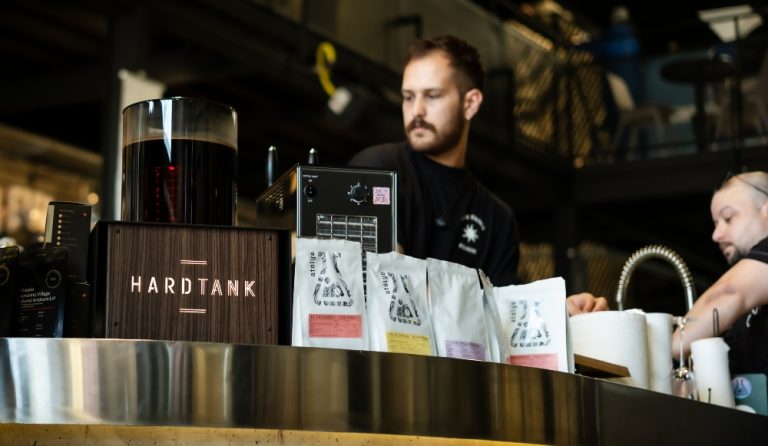
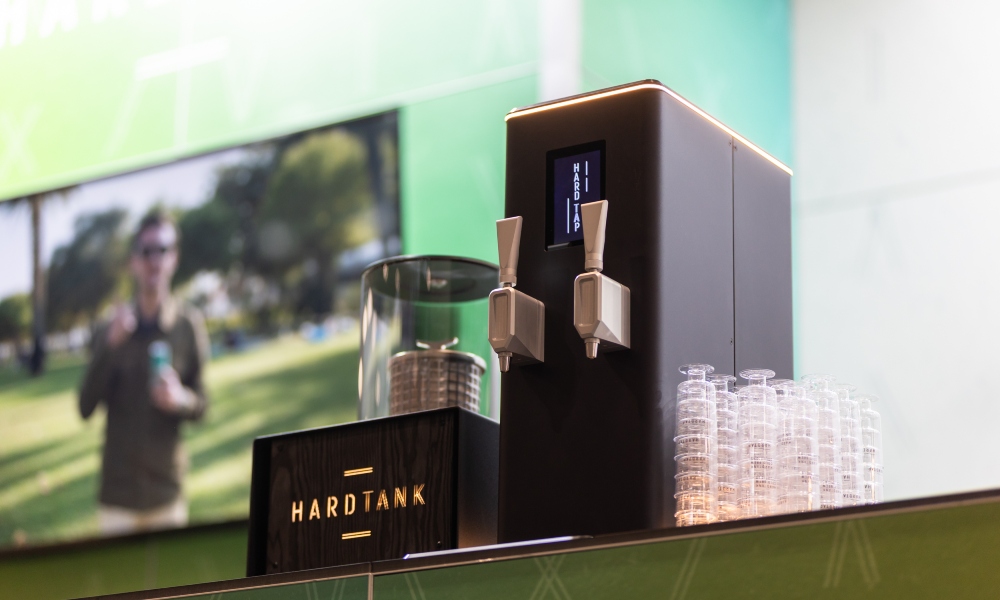
“I’ve found that using the Hardtank system really helps streamline the process – it standardises the recipe and minimises human error. Training staff to prepare cold brew is much easier and faster.”
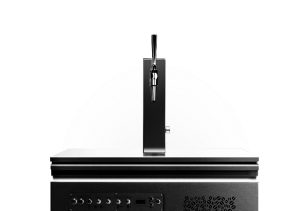
Kate’s insight reflects a wider truth: operational consistency and quality control are essential to selling cold brew. Hardtank equipment that automates and simplifies the cold brew process plays a key role, especially across larger coffee shops where staff experience levels may vary. You can also add a Hardtap cold brew dispenser for automated and measurable pouring.
Consistency directly contributes to customer loyalty, as well. For 83% of consumers, flavour is the top factor influencing coffee purchasing decisions. Therefore, if you can offer reliable flavour notes and quality with machinery and a cold brew dispenser, you’re more likely to earn repeat business.
When you’re confident in consistency across batches, your staff are more likely to recommend cold brew to customers. Therefore, the key to selling cold brew goes beyond regular promotion – it starts with repeatable quality and organic consumer interest. By removing these concerns, customers know exactly how each serving will taste and, if they’re satisfied, will regularly come back for more.
Rethinking how you should be selling cold brew on your menu
Equally, foodservice businesses need to reconsider the positioning of selling cold brew. Currently, many still see it as a seasonal add-on or alternative offering compared to iced coffee, rather than a year-round staple. While that strategy may work for a short-term sales boost, selling cold brew in the long term hinges on strategic integration.
Precise recipe development is the first step to selling cold brew. “We don’t change the cold brew recipe daily or even weekly,” Kate says. “This is extremely important for me because I want guests to get the same quality product at all of our coffee shops.”
Beyond menu placement, you can also consider your cold brew marketing. For example, you can use social media posts with enticing visuals of cold brew recipes, blends, or your cold brew dispenser. Also, consider seasonal cold brew limited-time offers (LTOs) to capture attention.
For selling cold brew throughout the year, you need to take your location and consumer trends into account. “Being based in Portugal, where summer temperatures often hit 40ºC, it’s important for us to anticipate how quickly drinks change in the heat,” she says. “We tend to extract a more concentrated cold brew, ensuring the final product remains balanced and flavourful even after a few minutes in the sun.”
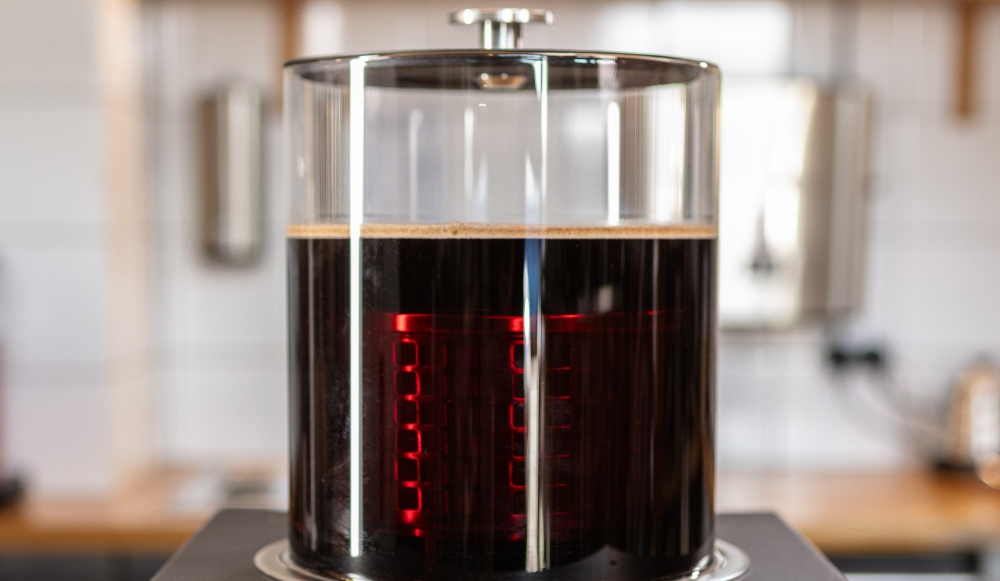
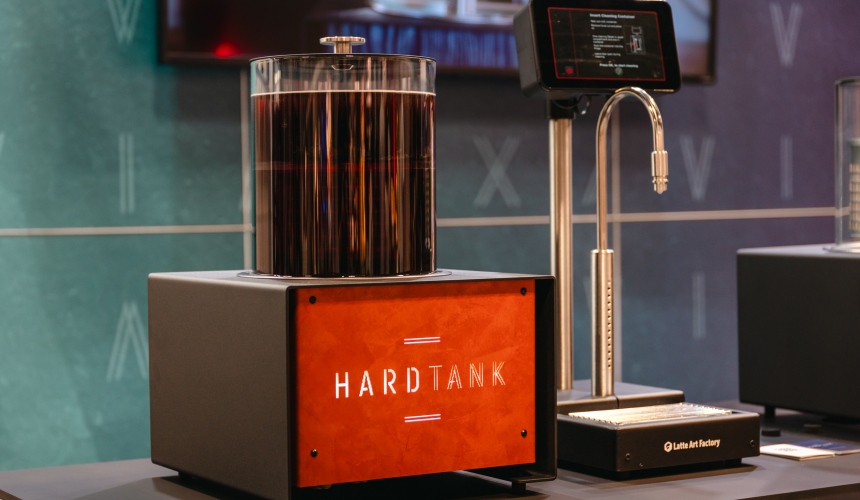
Once you have the base of your cold brew recipe, you can envision cold brew not just as a drink, but as a base for mocktails, functional drinks, and flavoured infusions. Equipment like the Baby Hardtank allows you to add additional ingredients into the filter basket to experiment and expand the cold brew drinks on your menu.
With programmable memory features, it allows your staff to switch between recipes depending on the season or drink in demand. Then, you can use the Hardtap cold brew dispenser to easily pour nitro servings.
“What really excites me is the potential to keep experimenting with the equipment,” Kate says. “The next step for me is creating a cold tea. We’re only at the beginning of exploring what this system can really do.”
This versatility in selling cold brew is critical for long-term growth. Research shows that younger cold brew consumers are especially interested in trying out new flavours. Therefore, you can test infused variants, such as cinnamon or orange cold brew, to offer distinctive and unique options – with a cold brew dispenser for easy serving.
In terms of practical menu design, positioning cold brew in a separate category from other iced coffee can draw more attention. Here, you can list various options – whether it’s nitro cold brew or flavour infusions – to bolster your cold brew section. If customers see this, and your cold brew dispenser aty your location, it may inspire them to try it.
Build operational confidence and sell cold brew to drive consumer trust
While it’s valuable to know how to prepare your cold brew and where to position it within your menu, proper staff training is just as important. If your team lacks the training or confidence to prepare and serve cold brew, it may underperform in terms of quality. Fortunately, modern equipment like a cold brew dispenser helps you bypass these concerns.
For example, Hardtank machines have programmable memory settings to save specific brew profiles. That way, you don’t need to train staff on steeping cold brew manually. Instead, all they need to do is fill the filter basket and choose the brewing profile. Not only is this good for repeatable quality – it’s also beneficial for staff morale and selling cold brew. Combined with the Hardtap cold brew dispenser, it’s a full solution to increasing your output.
“I want baristas to feel confident, not stressed by technical issues,” Kate says. “Our baristas have different levels of experience, but we can work as a team to maintain consistency.”
Standardising production through automated systems and a cold brew dispenser not only reduces labour strain but also maintains product quality across batches. It allows businesses to scale their cold brew production across multiple sites. The Hardtank 20 is capable of producing 1,250 portions of cold brew a day, demonstrating the ease of scalability with automated equipment.
Ultimately, Kate’s experience shows that equipment is the most important factor in making cold brew more popular. The right technology, such as brewers and cold brew dispensers, set up processes that instil the confidence and creativity to make cold brew more widely accessible.
As such, there are plenty of tangible ways to sell more cold brew. Consistency and quality are the key pillars, but considering the visibility of your cold brew – both on a menu and in terms of your promotion – is important as well.
To learn more about Hardtank equipment and the Hardtap cold brew dispenser guarantees consistent servings and quality, get a custom quote or book a free consultation.
FAQ
Is cold brew less popular than hot or iced coffee?
While cold brew has a smaller market share than hot or iced coffee, it’s growing at a much faster rate – around 22% a year.
What are the best ways to sell more cold brew?
Crucially, you need to position your cold brew as a distinct alternative to espresso-based drinks. This means highlighting its unique flavour profile and smoothness, while also giving it its own section on the menu.
Does equipment make it easier to sell cold brew?
Yes! Equipment such as Hardtank machines and cold brew dispensers makes it easier to produce consistent, repeatable cold brew with flavour profiles aligned to your customers’ tastes. That way, they know exactly what to expect with each drink, making them more likely to buy it again.
Should I be creative with cold brew flavours?
Absolutely. Machinery such as the Hardtank allows you to offer cold brew infusions with flavours like cinnamon or orange included, and to pour it easily with a cold brew dispenser. That way, you can expand your cold brew range so it has a wider presence on your menu.