
In this article, you’ll learn:
- Why private label matcha tea is growing in popularity
- The benefits of working with a private label manufacturer
- How these relationships help you to future-proof your business
While it was once a niche menu item in Japanese tea houses, matcha is now a staple for coffee businesses worldwide. Health-conscious consumers have played a major part in boosting its appeal as a functional drink, thanks to its smooth energy boost and natural ingredients.
For modern consumers, however, taste and wellness benefits alone are no longer enough. Convenience and innovation matter just as much, so their focus is also on having ready-to-drink (RTD) matcha. These formats cater to their on-the-go lifestyles without compromising on matcha’s key attributes.
To learn more about private label matcha tea and why to invest in RTDs, I spoke to Omari Clay. He is the founder of Connie’s Coffee, a Chicago-based specialty coffee outlet. Read on for his insights.

Is private label matcha tea becoming more popular?
Matcha has become one of the most prominent functional beverages in specialty coffee and RTD markets. Therefore, offering private label matcha tea in RTD formats is an effective way to capitalise on its popularity.
Its appeal is reflected in matcha’s increasing demand and growth over the years. In 2024, the market reached an estimated value of $3.9 billion. Now, market reports estimate that it will climb to $11.5 billion by 2033.
In a recent wellness survey, younger consumers expressed growing preference for functional nutrition as part of their healthier lifestyle goals. It’s little surprise that matcha has become a favourite in line with these trends. Firstly, it is known for its antioxidant content, which is often associated with broader wellness positioning. Matcha lattes also contain a unique balance of caffeine and L-theanine, which creates a balanced energy boost without the jitters or crashes associated with other caffeinated drinks.
While wellness is a key factor, convenience matters just as much to consumers. When in a rush, commuting, or needing a quick energy boost, they want portable formats that still deliver the full experience of freshly made matcha.
As the need for convenient products and formats increases, many consumers look for matcha in portable formats that support their on-the-go lifestyles. “Matcha RTDs are riding the wave of both wellness culture and specialty beverage curiosity,” Omari tells me.
“As consumers become more familiar with matcha beyond the café setting, ready-to-drink formats feel like the natural next step,” he explains. “They’re especially suitable for people who want quality without the ritual.”
Therefore, matcha is a more in-demand drink than ever. With private label matcha tea RTDs, you can meet the demand with ease while ensuring scalability.
What are the benefits of working with private label matcha tea manufacturers?
Working with a private label matcha tea manufacturer for your RTDs allows you to enter the market quickly and without investing as much in production facilities and compliance processes. Instead, you can lean on your manufacturer’s expertise to launch food-safe matcha RTDs efficiently to capture the growing demand.
“Private label partners lower the barrier to entry,” Omari explains. “They allow brands to move faster, control upfront costs, and focus energy on flavour development, branding, and distribution rather than manufacturing logistics.”
Producing RTD matcha lattes in-house can be a challenging process. The upfront investment is considerable, given that you need formulation facilities, canning warehouses, and to apply for food safety certification. It can slow down your product launch and significantly increase your costs, making it harder to be profitable.
Therefore, outsourcing is a viable alternative that makes it easier to get started.
At Hardtank, for example, we specialise in creating private label RTDs tailored to your brand and specific needs. Our flexible approach allows you to choose from ready-to-market recipes for a quick launch, or to develop a custom formula from scratch, whether for matcha or other functional beverages.
Private label matcha tea also allows you to experiment with formulations without sacrificing quality or risking supply shortages that may disappoint consumers. “It’s an efficient way to test the market while maintaining consistency and scalability,” he explains.
With no need for warehouses and formulation facilities, businesses can free up valuable space and capital. Savings from private labelling can then be reinvested into other key areas, such as market research, branding, or expanding your international distribution.
How private label matcha tea can future-proof your business
Working with a supplier to source private label matcha tea is an effective way to prepare your business for the drink’s continued expansion. From the rise of wellness culture and functional diets to the globalisation of Japanese cuisine, industry projections suggest continued growth as wellness and functional beverage trends evolve.
Factors like convenience mean RTDs are one of the best ways to meet consumer needs. “As matcha continues to gain mainstream traction, consumers will increasingly look for formats that fit into busy, on-the-go lifestyles,” Omari explains. “RTDs meet that demand perfectly, especially when they balance convenience with clean ingredients and thoughtful sourcing.”
Meeting these evolving demands generally requires flexibility in both your offerings and operations. Outsourcing RTD production to a private label manufacturer means you can quickly adjust production volumes, formulations, and timelines without altering your entire strategy.
Bypassing these steps means you can focus on formulation and branding, helping you to attract new customers. This is especially important in markets such as North America and Europe, where consumers often seek new and innovative flavour combinations in their beverages. Whether you are entering the market to capitalise on this or diversifying your current RTD menu, private label manufacturers make it easier to experiment with products that align with evolving tastes.
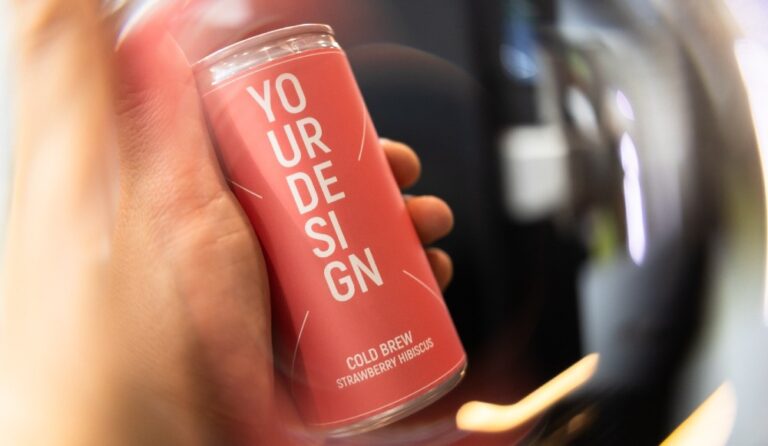
At Hardtank, our RTD services include private label matcha tea. Working with us, you can launch shelf-stable drinks that meet flavour expectations across every SKU. Our range features ready-to-go matcha and cold brew formulations, each thoroughly tested and already proven in the market.
We can also develop a fully customised formula from scratch. From initial formulation and testing to canning and final delivery, we manage the entire process. This means your private label matcha tea is developed to meet high quality and flavour consistency standards.
Private label matcha tea: Key takeaways
- Private label matcha tea allows you to enter the market with RTD products quickly and efficiently.
- You can bypass extended formulation and compliance periods and quickly scale up your production volumes as you grow.
- Working with a private label manufacturer helps you to meet the increased demand for matcha as it grows in the global market.
Ready to invest in private label matcha tea? Explore our private label services here or schedule a free consultation.
Private label matcha tea FAQ
Is it worth investing in private label matcha RTDs?
Yes, private label matcha tea in RTD formats is a quick and cost-effective way to tap into consumer trends around wellness and convenience. You can also launch a highly trending drink without needing your own production facilities.
How scalable is private label matcha tea?
By outsourcing your production to third-party manufacturers, you can easily increase your production quantities as your business grows. You can achieve this without investing in infrastructure or production facilities.
Is private label matcha tea suitable for all business types?
Private label matcha RTDs can suit a range of business types, particularly coffee shops, roasters, and drinks brands looking to expand beyond fresh service.
Want to learn more about our private label matcha tea?
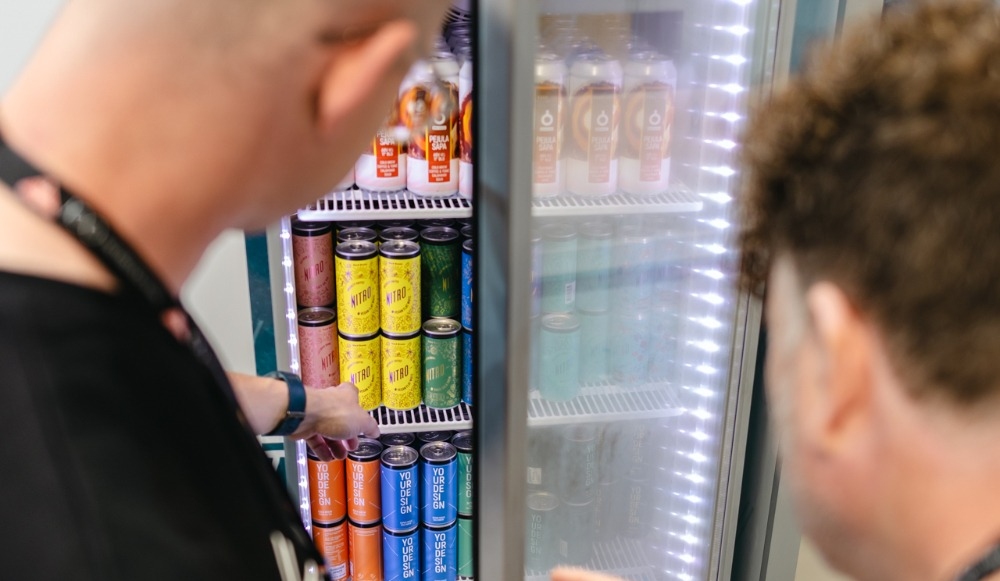
- Explore our recipes: Browse our shop-to-go RTD page.
- Discover the process: Learn more about how our private label services work.
- Speak to an RTD specialist: Contact the Hardtank team.