
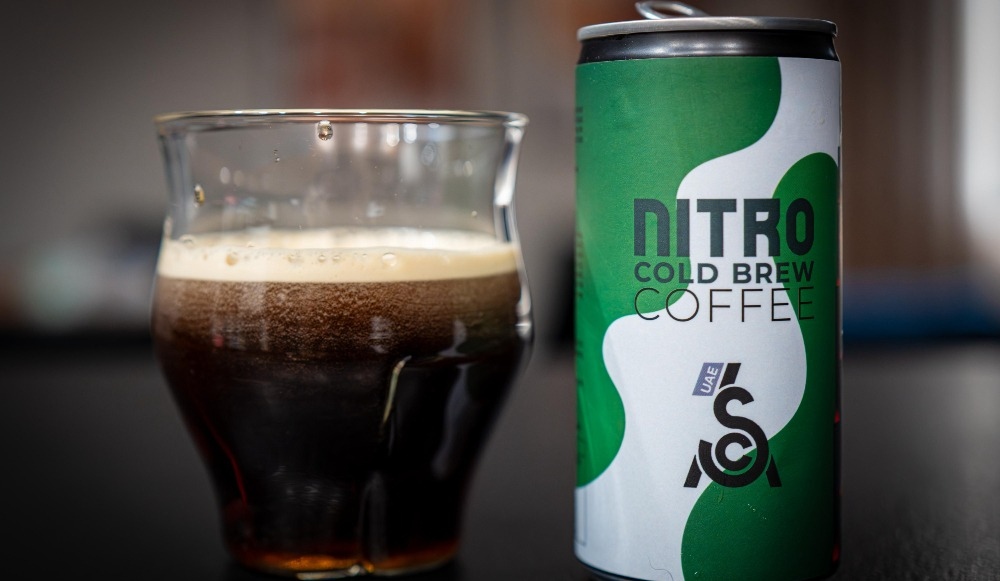
In this article, you’ll learn:
- Why you need commercial iced coffee equipment for RTD production
- Why factors like filtration and consistency are so important
- How working with a private label manufacturer can streamline the process and save money
Iced coffee and cold brew are some of the fastest-growing drinks in the coffee industry – and the ways to serve them to consumers are evolving. Alongside fresh service, drinks brands are launching ready-to-drink (RTD) versions of their drinks to capture new demographics. They’re especially suitable for off-site orders and retail settings, but the requirements are slightly different.
Consumer expectations of RTD drinks are clear. They want drinks that taste good, are shelf-stable, and resemble the drinks they get fresh from your coffee shop. Therefore, you need commercial iced coffee equipment that prepares your drinks fresh in-store, but also a robust RTD programme as well.
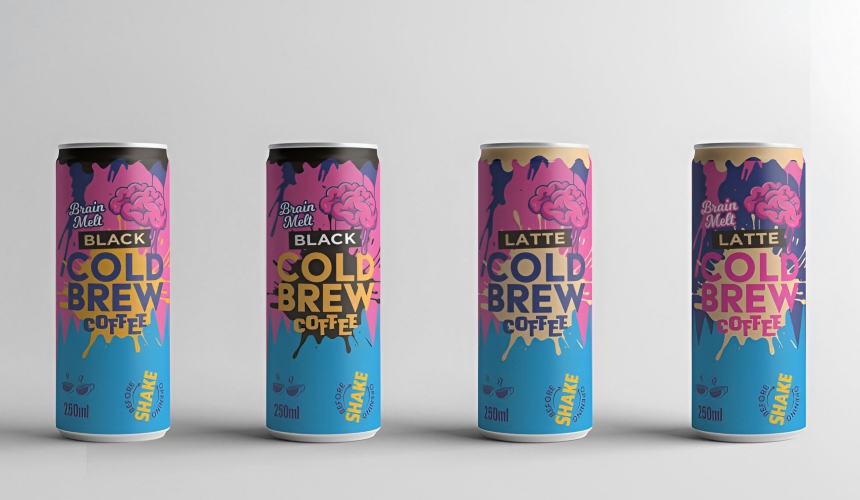
To learn more about what to look for in commercial iced coffee equipment and the role RTDs can play, I spoke to Shaheer Durrani. He is the founder of Brain Melt Coffee, an RTD cold brew brand based in Liverpool, England. Read on to understand the key aspects of nitro cold brew production and how the right partner makes all the difference.
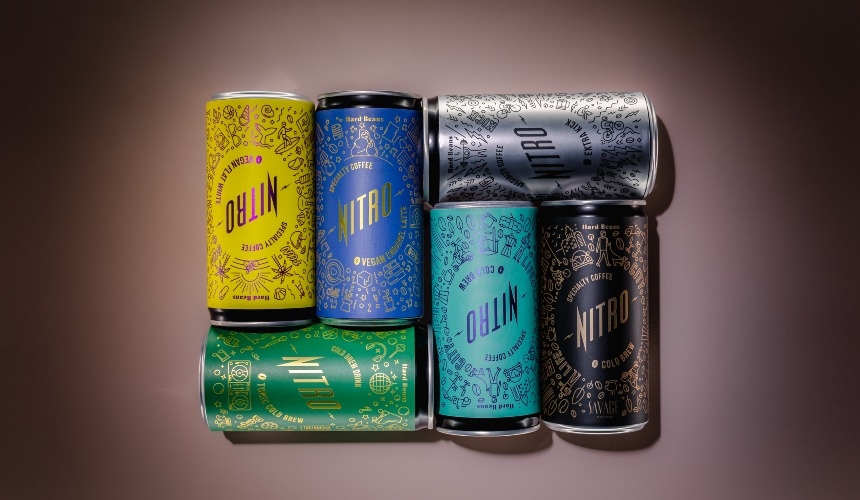
What to look for in commercial iced coffee equipment
For Shaheer, commercial iced coffee equipment used to make RTDs or fresh drinks needs to be consistent and precise. If you’re using the system to make drinks all day – or preparing batches for canning – it needs to be repeatable, compliant, and market-ready.
“We look for equipment that keeps oxygen low, controls temperature, and filters consistently,” he tells me. “Compatibility with pasteurisation or sterile filtration is useful so shelf life can be managed without changing the flavour profile too much.”
Variables like oxygen control and shelf stability determine whether your RTD cold brew tastes the same across batches and meets the requirements of retail display. Without validated microbial controls, your RTD drinks may struggle to meet regulatory requirements and retailer expectations.
Hardtank’s private label RTD services are designed to meet these requirements. Our in-house brewing infrastructure uses patented recirculation extraction to yield rich, full-bodied cold brew with minimal oxygen exposure during extraction and canning.
Advanced canning and pasteurisation are also essential for extending the shelf life of RTD drinks. As the cold brew market expands, your products are more in demand than ever – but they need to retain their flavour after weeks of shipping and display in retail settings.
Your solutions – whether canning in-house or working with a private label manufacturer – should ensure your coffee can stay fresh in ambient conditions. For instance, Hardtank’s canned cold brew has a shelf life of 12 months, while plant-based milk drinks remain stable for up to eight months.
What are the key functions of commercial iced coffee equipment?
Among the many variables in nitro cold brew production, filtration is often the most important. Shaheer recommends choosing commercial iced coffee equipment that removes grounds or fines, regardless of whether you’re using it for fresh service or RTD production.
“Filtration is central because it removes fine particulates, protects hardware, and gives a clean, stable pour,” he says. Evidently, this is an important visual and mouthfeel aspect for serving drinks in a coffee shop and for each sip of an RTD. “To me, there’s nothing worse than pouring cold brew into a glass and seeing floating bits in your coffee.”
Hardtank’s equipment and services address these concerns with an integrated stainless-steel filter basket in all of its machines. Whether we’re preparing your private label cold brew or you’re using the system yourself, it removes sediment and enhances the mouthfeel of your drink. This helps ensure a smoother customer experience and reliable product quality in every can or glass.
Shaheer also highlights pasteurisation as a technical differentiator for commercial iced coffee equipment. It’s especially important for RTD cold brew because it significantly reduces microbial loads, helping extend shelf life and support food safety compliance.
“For pasteurisation, we focus on even heat delivery and precise control so we get the required process units without overprocessing the coffee,” he explains. It’s an important balance to strike, because otherwise your cold brew could be shelf-stable but lacking the signature and smoothness that has made the drink so popular.
At Hardtank, we pasteurise all of our private label RTDs after filling and sealing. This reduces microbial loads to safe levels, keeping your drinks shelf-stable for up to one year.
Is commercial iced coffee equipment worth the investment?
Shaheer believes that commercial iced coffee equipment is worth the investment, but you should choose systems and features based on your operational needs.
“For cafés, good filtration and a dependable draft or small canning setup can improve consistency if the volume supports it,” he says. “However, pasteurisation is usually unnecessary for fresh cold chain sales.”
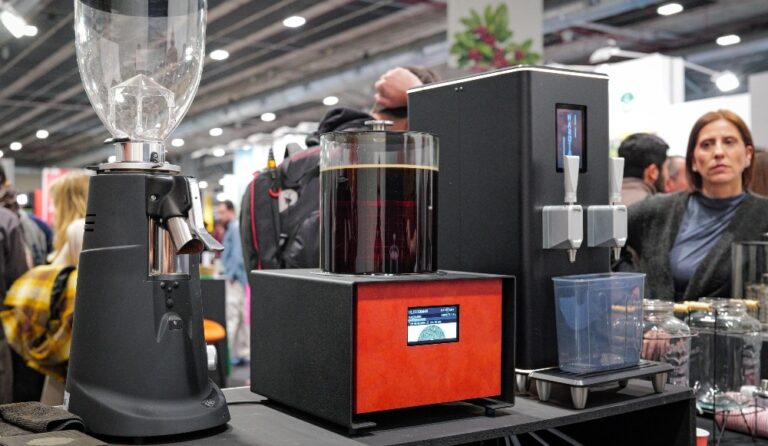
In this case, equipment like the Baby Hardtank offers a practical solution. It allows coffee shops to prepare a batch of cold brew in under one hour – and using a nitro tap, you can dispense it from the same line. If the majority of your sales are fresh drinks, it’s likely more cost-effective than exploring in-house canning and RTD production.
However, for RTD brands aiming to scale, Shaheer’s view is clear. “For ready-to-drink producers, robust filtration plus either pasteurisation or validated sterile filtration is essential for shelf life and product stability,” he explains. “In that context, the investment is justified if the quantity of production supports the cost of machinery.”
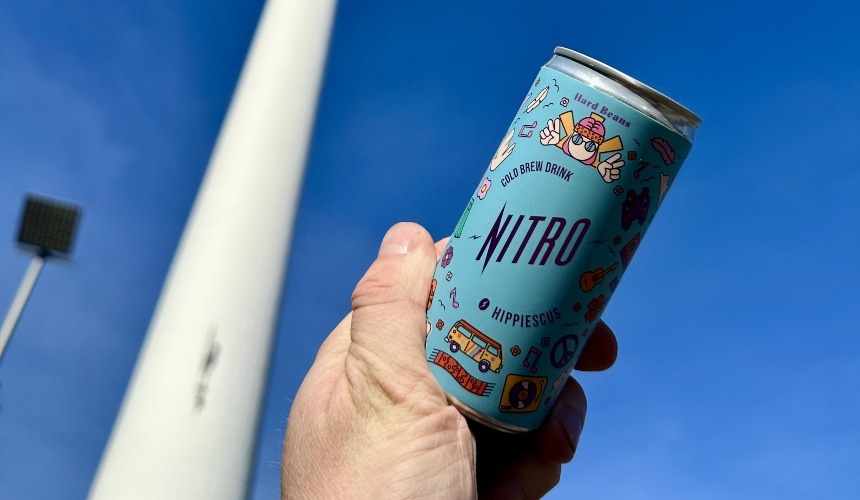
That said, the equipment, facilities, and expertise required to prepare and manufacture RTDs can be prohibitively expensive for coffee businesses. Often, brands will instead work with a third-party private label manufacturer instead of investing in their own facility. By leaning on your manufacturer’s experience and existing infrastructure, you can go to market quickly without cutting corners.
Whether you’re developing a private label drink or a fully customised formulation, working with a private label manufacturer helps you hit shelves quickly, adhere to food safety regulations, and ensure flavour consistency at scale.
Hardtank supports drinks brands by handling the entire process, from formulation and brewing to canning and quality control. You also retain full ownership of your custom formulation, meaning you can scale your operations as your RTDs become more popular.
This approach makes it easier to test market demand, iterate on flavour profiles, and build out distribution streams without investing in an in-house facility. By combining industry-grade commercial iced coffee equipment with robust RTD manufacturing, Hardtank gives drinks brands a way to stand out without starting from scratch.
Commercial iced coffee equipment: Key takeaways
- Factors like oxygen control, temperature stability, and filtration are essential for commercial iced coffee equipment used to make RTDs.
- Pasteurisation and validated sterile filtration are also important for RTDs, ensuring they remain shelf-stable for several months.
- Working with a private label manufacturer helps you launch RTDs without the investment in commercial iced coffee equipment and canning facilities.
Ready to explore our commercial iced coffee equipment for private label services? Learn more about our process here and get in touch with the team to get started.
Commercial iced coffee equipment FAQ
Is commercial iced coffee equipment necessary for RTD drinks?
Yes, because it helps you prepare consistent, food-safe cold brew to scale. Unlike cold brew systems used in coffee shops or foodservice settings, the equipment must also prepare cold brew for canning and distribution. This is why businesses often work with private label manufacturers instead of handling RTDs in-house.
Why is filtration so important for RTD coffee?
Filtration in your commercial iced coffee equipment removes fines and grounds that affect mouthfeel and cause a sediment build-up in your can.
Do RTD iced coffees need pasteurisation?
RTD iced coffees intended for ambient shelf stability typically require pasteurisation or another validated microbial control method, such as sterile filtration or aseptic processing. This can be expensive and difficult for smaller brands to handle in-house, which is why private label manufacturers also offer pasteurisation.
Want to learn more about commercial iced coffee equipment?
- Discover our private label services: Explore the process here.
- Choose your drinks: Browse our range of shop-to-go recipes.
- Speak to an RTD specialist: Contact the Hardtank team.