
In this article, you’ll learn:
- Why matcha RTDs are growing faster than freshly prepared matcha drinks
- What to consider when launching a matcha private label drink
- How you can future-proof your product range with matcha RTDs
Ready-to-drink (RTD) matcha sits at the intersection of two things that today’s consumers, especially millennials and Gen Z, care deeply about. As a functional beverage with added health benefits in a convenient format, matcha private label RTDs lead the industry in terms of product growth.
After a decade of bubbling popularity, the matcha industry is now valued at over $4.3 billion, with multiple industry reports projecting continued growth over the coming years. A large part of this growth is because of how consumers prefer to consume matcha. Now, many opt for convenient RTD options over freshly made matcha.
For drinks businesses looking to the matcha sector as an expansion opportunity, assessing this shift towards convenience can help determine the best formats for you. Valentina Funaro, Junior Category Manager at Oatly, explains why now is the ideal time for businesses to focus on matcha private label RTDs.
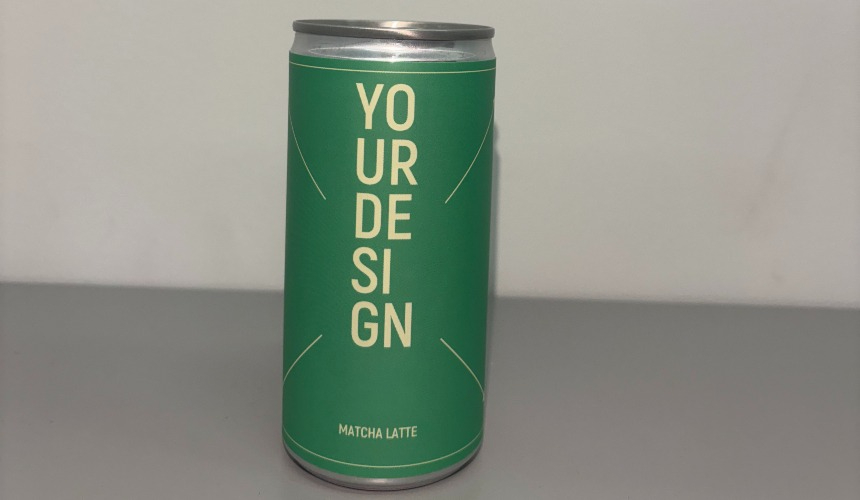
Why are matcha RTDs so popular?
Matcha private label RTDs are more popular than ever due to recent shifts among younger consumers. More than ever, they want drinks that have viral social media potential as well as tangible health benefits.
For centuries, matcha was reserved for tea ceremonies and special occasions, but around the mid-2010s, it started exploding in popularity as consumers became aware of its health benefits.
Now, matcha is rapidly winning the market share once dominated by coffee and energy drinks as consumer tastes evolve. Particularly among Millennials and Gen Z, they want healthier beverages that offer a smooth energy boost without the usual caffeine crash or sugar rush. This effect is often attributed to matcha’s naturally occurring L-theanine, which is commonly associated with a more gradual release of caffeine compared to coffee.
Many influencers on platforms such as TikTok have embraced it as the new favourite beverage, further boosting its visibility and appeal. Japan’s agricultural ministry says that demand for matcha has tripled in the past decade.
One major question for drinks businesses is how they adapt to this industry phenomenon. “There is no question that matcha has boomed in popularity, but it can be a time-consuming and sometimes intimidating task to make one from scratch,” Valentina says.
Often, modern customers don’t want to wait for their drinks to be prepared. Instead, they value convenience: factors like immediacy and portability. This is why matcha private label RTDs can be so useful for your business.
“It’s natural that consumers are looking for easier alternatives, which is, of course, where ready-to-drinks can play a role,” Valentina adds. When Oatly launched its own matcha latte, Valentina says the challenge was to find a balance between traditional craft and modern convenience.
“It’s not there to serve as a replacement for traditional matcha,“ she says. “Instead, it offers an option for the matcha-curious who have either always wanted to give it a try but are intimidated by the process of making it the traditional way, or for the time-poor who want a quick option they can have at home or take on the go.”
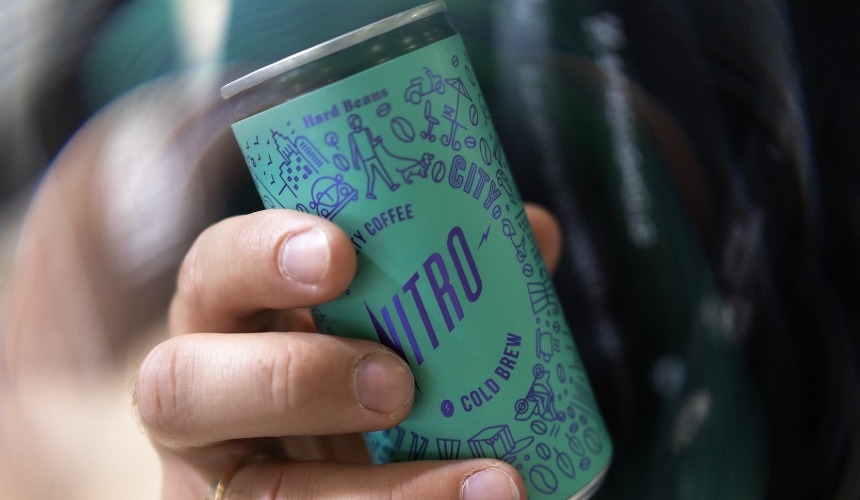
These trends are mirrored in the coffee industry as well. RTD options like nitro cold brew are gaining market share over traditional hot coffee for the same health and convenience reasons. Elsewhere, RTD hard seltzers, wine, and cocktails are also on the rise – and consumers are willing to pay up to 5% more for such convenience.
What should brands look out for in their matcha private label RTDs?
For any business looking to capitalise on matcha private label RTDs, the journey begins with having a clear understanding of your target audience and goal. For instance, selling grab-and-go formats when many of your customers prefer the ritual of waiting for a freshly whisked matcha won’t translate to increased sales.
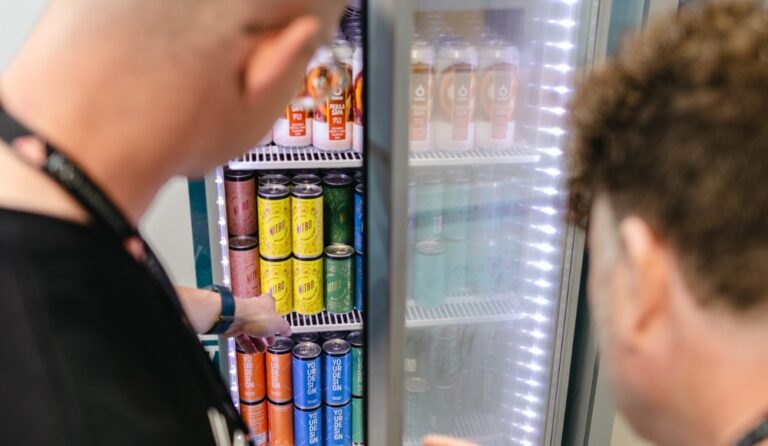
Therefore, you first need to decide which consumer touchpoints to target. Matcha private label RTDs are most effective in quick-service settings like grocery stores or refrigerators in coffee shops. Here, customers can buy them efficiently and drink them elsewhere. If formulating matcha RTDs in-house looks to be expensive and time-consuming, your next step is to find a private label manufacturer. They can create custom formulations that reflect your customers’ flavour and wellness expectations.
For modern consumers, taste is just as important as convenience – and they won’t compromise on either. “From an Oatly perspective, taste was our priority when it came to launching our RTD matcha latte,” Valentina explains. “We created a recipe that perfectly combines matcha with our creamy oat drink alongside a hint of vanilla, resulting in a frothable drink that can be served both hot and cold.”
For Valentina, if the drink is conveniently packaged but doesn’t taste good, your matcha private label RTDs won’t impact the market. “Convenience matters, but it shouldn’t come at the expense of flavour. Ultimately, taste is what keeps people coming back,” she says.
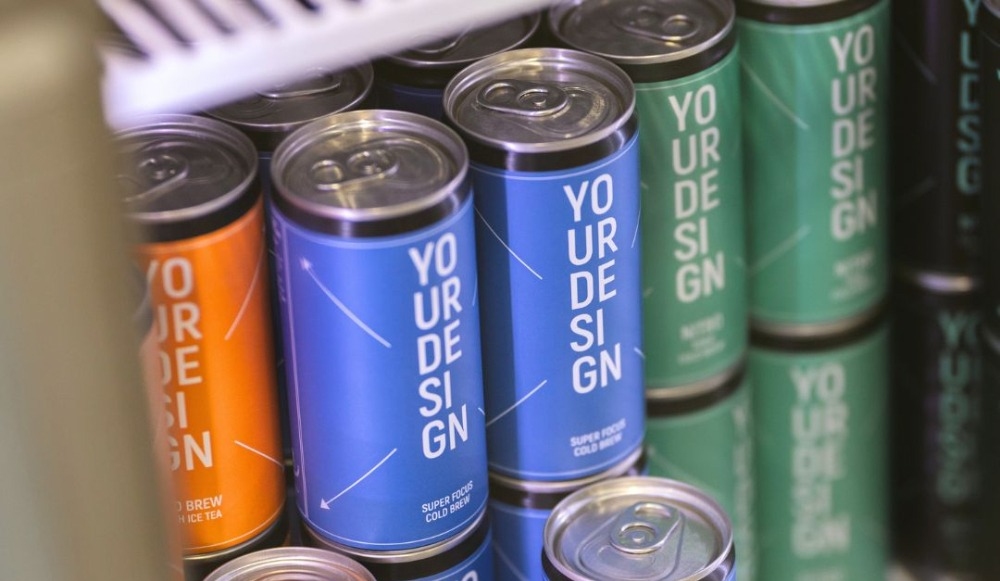
If you choose the private label route, your manufacturer needs to know all of this information. This includes your desired flavour profiles and their intended health benefits to your target audience, product safety requirements, packaging design, and other related factors. Having all of this information is essential to effectively building the private label matcha drink that you envision for your brand.
How matcha private label RTDs will evolve in the future
Matcha will further grow in popularity in the coming years, so launching matcha RTDs now is an effective way to future-proof your product range.
While Gen Z consumers have gotten much of the credit for matcha’s popularity, Valentina points out that the drink’s appeal now spans generations. “In the past year, we have seen matcha usage accelerate across age groups, jumping up from 6% to 12% consumption between 2024 and 2025,” she says.
Beyond the appeal of the drink itself, she believes the demand will also increase for grab-and-go matcha RTDs. “We believe the growth has been attributed to the increased availability of easy-to-consume out-of-house and RTD matcha,” she adds.
Similarly, consumers across the world are becoming more health-conscious, considering their food and drink choices more carefully. As long as this shift continues, healthier beverages like matcha will maintain a strong position in the market. It’s for the same reasons that other green teas have experienced a sharp rise in countries like the UK.
Paired with its strong presence and influence across the internet, private label matcha RTDs are likely to stay relevant well into the future. “Matcha has strong links to the ‘social media girl aesthetic’ and wellness,“ Valentina adds. “This suggests that it has the cultural relevance and staying power to remain a key player for the foreseeable future.”
Working with a private label manufacturer makes it easier for you to launch matcha RTDs that appeal to the growing demand. You can offer shelf-stable products in convenient formats to speed up your time to market drastically.
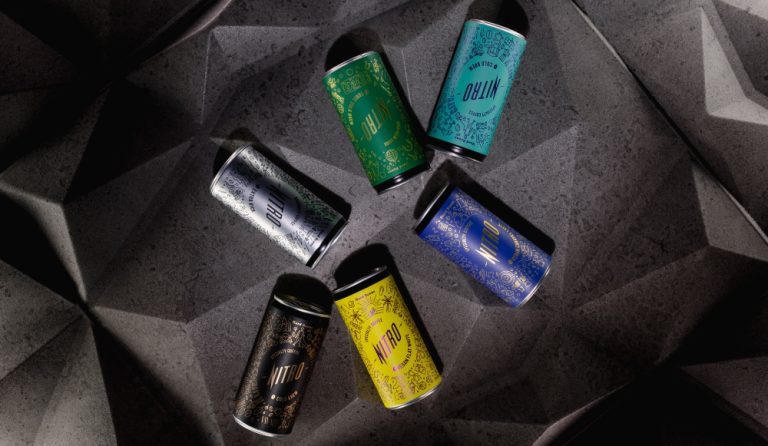
For brands that don’t want to invest in in-house formulation and manufacturing, private label partners can streamline the entire RTD development process. Our private label services include formulation, testing, canning, and delivery to streamline your product launch. We offer six-week lead times after payment and up to three rounds of testing to ensure your drinks taste exactly the way you expect.
Matcha private label RTDs: Key takeaways
- Matcha RTDs are growing in popularity because they combine functional health benefits, convenience, and social media appeal, driving demand among younger consumers.
- The quality of your matcha should match the convenience of your RTD format. Customers will not compromise on flavour, even if the drink is easy to grab and consume.
- As demand for convenient, health-led drinks continues to grow, matcha RTDs offer a scalable way to future-proof beverage portfolios.
- Private label RTD formats allow brands to enter the matcha category quickly while controlling costs and ensuring product consistency.
Ready to launch your own matcha private label RTDs? Working with a private label partner allows you to bring a shelf-stable, high-quality matcha product to market quickly – without investing in in-house R&D or manufacturing. Explore our private label page or schedule a meeting with the team to learn more.
Matcha private label FAQ
Why are matcha RTDs becoming so popular?
Matcha RTDs align with multiple consumer trends at once: functional energy, clean-label ingredients, and portable formats. They also remove the preparation barrier associated with traditional matcha, making the drink more accessible to a wider audience.
Who is the main demographic for matcha RTDs?
Matcha RTDs are particularly popular among Millennials and Gen Z, but growing awareness of matcha’s flavour and functional profile is driving adoption across older age groups as well.
Where do matcha RTDs perform best?
Matcha RTDs are especially suitable for quick-service retail environments like grocery stores, coffee shop fridges, and vending machines, and on-the-go foodservice locations.
Want to learn more about matcha private label RTDs?
- Learn more: Explore our private label process.
- Choose your flavours: Discover our flavours and formats here.
- Book a call with an RTD expert: Contact the team here.