
In this article, you’ll learn:
- Why matcha RTDs are more popular than ever
- The benefits of working with private label matcha RTD manufacturers
- How this strategy can future-proof your business
In the past 18 months, one major trend that has changed drinks service for coffee shops is the rise of matcha. Once a menu item reserved for niche coffee shops and specialty outlets, it’s now one of the most in-demand drinks for any foodservice business.
The demand for matcha is growing at an unprecedented rate. The global matcha market is now valued at over USD $3 billion. It’s still growing, too: in 2025, shortages led to the cost of tencha leaves, which are dried and ground to produce matcha, increasing by over 170%.
To keep up with the trend, you need convenient, cost-effective, and easily manageable ways to serve matcha. That’s why the demand for ready-to-drink (RTD) matcha has grown so drastically – but how can you implement this strategy at your business? To find out, I spoke to Pav Hall, the co-founder of Morcha, a functional drinks brand that sells matcha RTDs. Read on for his insight.
Why are matcha RTD drinks so popular?
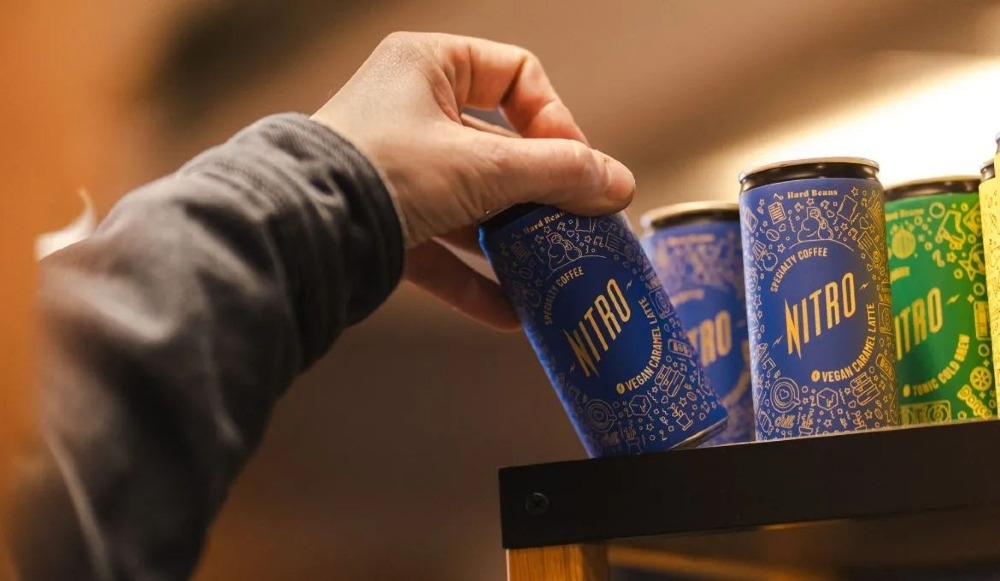
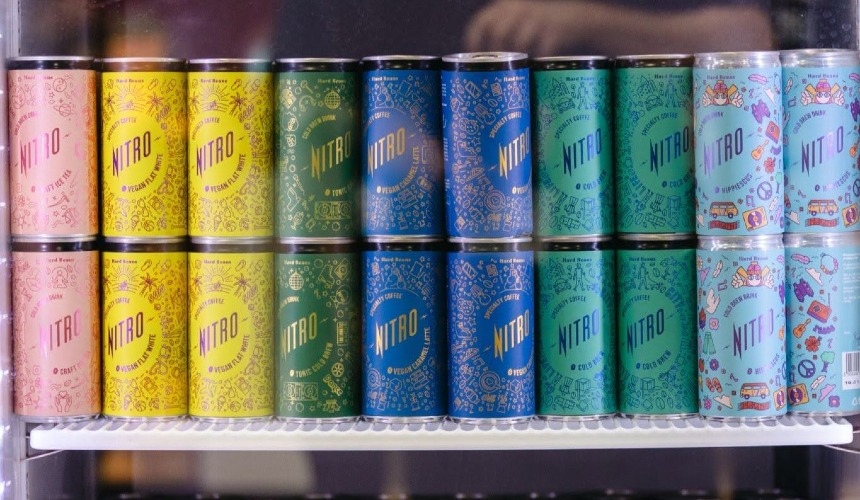
While matcha is booming overall, matcha RTD drinks are also more popular than ever in their own right. This is due to the convenience of offering a canned RTD on your coffee shop shelves. It’s easier and quicker for customers to pick up and buy a canned matcha latte, without waiting for their matcha to be prepared. This is a factor that influences purchasing behaviour, helping you stand out to customers.
The financial and logistical aspects also make matcha RTDs very popular for businesses. “The popularity of matcha overall is increasing due to high demand, but high costs mean consumers are searching for something just as good, but also more affordable,” Pav says. This is why canned RTDs, which are easy to buy and store on-site, are more cost-effective than preparing matcha in-house. You also eliminate labour time, workflow slowdowns, and waste from unsold batched matcha – all of which reduce daily operational costs.
“The matcha industry has boomed in recent years – not just as an alternative to coffee, but also as a complement,” he continues. “At the moment, the market is dominated by coffee shops serving matcha – but the price can be too high to have on a regular basis.”
Especially in the context of price volatility, private label matcha RTD drinks can minimise these budgetary concerns. When you make an order with a private label manufacturer, you’ll agree on a fixed price for your shipment, so you can budget accordingly. It prevents any shortages if the price of matcha suddenly increases, meaning you can manage your inventory and order enough to meet consumer demand.
Therefore, matcha RTD drinks tap into two main consumer demands. Not only are they a cost-effective way to launch an in-demand product at your coffee shop, but they’re also convenient for customers to grab and drink on the go.
What to consider when launching your own matcha RTD
Once you’ve decided to release a matcha RTD, you need to consider a few factors. Namely, you need to assess the quality of your matcha, the potential for storytelling, and the cost. Working with private label manufacturers can streamline this process significantly, helping you decrease your time to market. Since private label manufacturers already hold the required certifications, equipment, and shelf-life-tested formulations, you bypass months of R&D and compliance work.
“Drinks brands should first look at the quality of the matcha itself,” Pav recommends. “With the popularity and coverage it’s getting, consumers can tell the difference between poor and good matcha.”
Using high-quality ingredients for your matcha RTD is also important for building consumer trust. Not only will customers favour brands that use the best possible ingredients, but it can also influence your products’ wellness claims. Matcha’s famously jitter-free, balanced energy boost is derived from antioxidants like L-theanine, and low-quality matcha has less of them.
Because L-theanine and catechins are water-soluble and stable in chilled RTD formulations, high-quality matcha retains its functional benefits even in canned formats – provided that quality matcha is used from the start. If customers don’t notice the energy boost claims from your matcha RTD, it could harm your reputation or dent future sales.
You also need to analyse your budget to determine which ingredients, grades, and quantities to order. “Launching a matcha RTD with a tea base using water or soda, for instance, is much cheaper than using oat milk or dairy milk. This is due to the different equipment needed for each process,” he says.
Milk-based matcha also requires more complex processing, stricter hygiene controls, and specialised filling equipment, which increases production cost. By understanding how much you can invest in your matcha RTD products, you can choose ingredients and processes that best suit your market goals.
However, you also need to keep quality as a top priority when determining your formulation. Often, private label manufacturers will offer pre-determined formulations, so you can lean on their expertise to ensure your matcha RTD is high-quality but also budget-friendly.
How matcha RTD drinks future-proof your business
Matcha RTD drinks are more than just an investment for the short-term, however. They’re just as valuable for future revenue growth, because they show your commitment to innovation and attention to customer demand as they develop.
“I think consumer demand for matcha RTDs will definitely increase in the future,” Pav says. “Matcha tastes good, is good for you, and can be customised with flavours to make it appealing to each person.” This means you can diversify your product range, adding RTDs like strawberry or vanilla matcha alongside dedicated RTD matcha lattes.
“As the market grows, more people will want an accessible form of the drink,” he continues. “They’ll turn to what they can grab off the shelf with their lunch, instead of having to pay higher prices at a café.”
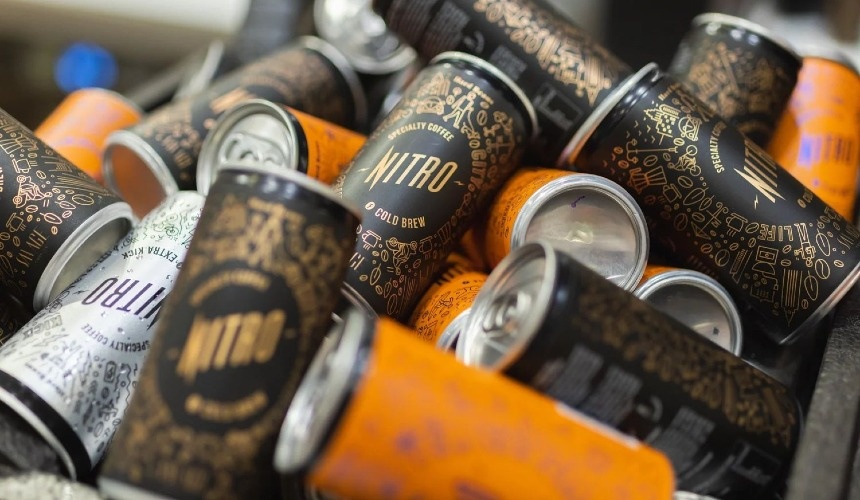
RTD drinks like these are already very popular for coffee, with canned lattes or cold brew available from private label manufacturers. As matcha grows in popularity, though, Pav expects it to follow that trend.
“If you go to a supermarket now, you see endless amounts of RTD coffee and other drinks,” he says. “Matcha has yet to follow, but if the trend continues, it won’t take long until there are multiple choices of matcha RTDs available for consumers.”
In conclusion, matcha RTD products are already entering the market as a convenient and shelf-stable format. They help drink brands launch a trending product quickly and effectively, and present a huge opportunity for future revenue.
If you’re evaluating whether matcha RTDs fit your menu strategy, here are the core points to keep in mind.
Matcha RTD: Key takeaways
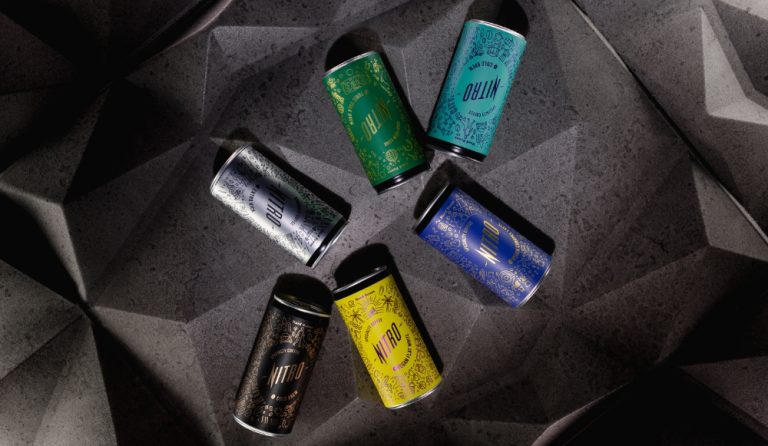
- Matcha RTDs in aluminium cans offer convenience and affordability, making them an ideal alternative to freshly made matcha lattes.
- Private label matcha RTD manufacturing preserves your margins by offering fixed production costs, helping you avoid price volatility.
- They also future-proof your product line so you can get in on the trend for matcha as well as for convenient drink formats.
Ready to launch your own matcha RTD products? Visit our private label services page or speak with a member of the team to learn more.
Matcha RTD: FAQ
Why are matcha RTDs becoming so popular?
Matcha itself is booming in popularity, but canned RTDs are convenient, consistent in flavour, and often more affordable. Consumers can quickly grab a can without waiting in line.
Are matcha RTDs cheaper to produce than in-shop matcha drinks?
Yes, because you don’t need to invest in specific matcha ingredients, equipment, or storage facilities. You also eliminate human error during production.
How can I launch my own matcha RTD?
Partner with a private label manufacturer who can help with formulation, production, shelf-life compliance, and canning.
Want to learn more about our private label matcha RTD products?
- Learn more: Explore Hardtank’s full private label process.
- Browse our range: Discover the flavours and formats we offer.
- Book a strategy session with an RTD expert: Contact our team here.