
In this article, you’ll learn:
- How popular private label ready to drink coffee is
- The advantages of working with private label companies to produce RTD coffee
- What you need to consider before going to market
Coffee has always been one of the world’s most popular drinks – but the way it is served and consumed is always changing. Some formats, like takeaway coffee from cafés, will always be a go-to for consumers on the go. However, new developments in the industry have seen cold coffee become more in-demand than ever before.
As such, coffee businesses and other beverage companies need to find ways to meet these new market needs. Not only is cold coffee more popular, but consumers want it in convenient, easy-to-drink formats that also align with their wider sustainability values. For many businesses, producing high-quality RTD coffee in-house can be slow, costly, and full of compliance hurdles. As such, private label ready to drink coffee has huge potential for expansion.
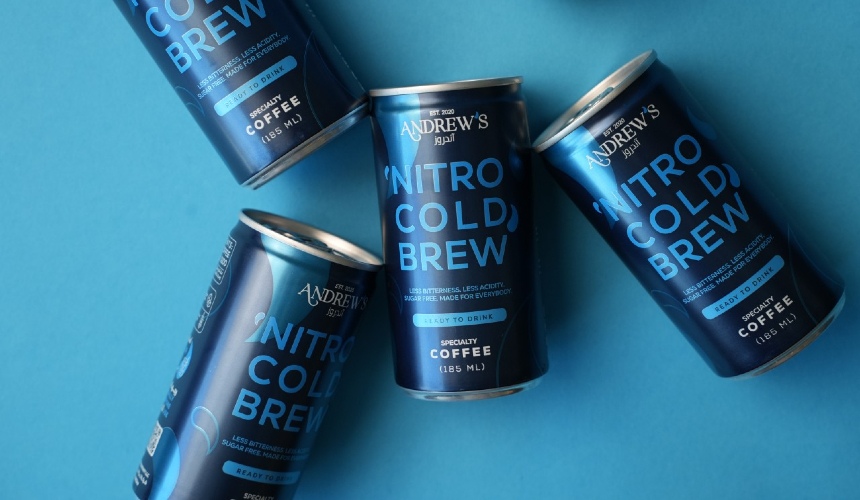
To learn more about private label ready to drink coffee and how it can benefit businesses, I spoke to Ramzi Marji. He is the founder and Managing Director of Andrew’s Cold Brew Coffee, based in Jordan and focusing on the MENA market. Read on for his expertise.
How popular is private label ready to drink coffee?
Private label ready to drink coffee is exploding in popularity, and the market is responding fast to these developments. The sector was valued at over USD $36 billion in 2025, and is expected to grow by 3.5% annually until 2029.
Evidently, there’s significant demand for RTD coffee. For businesses to enter the market quickly, working with third-party manufacturers is a particularly efficient method. “The ready-to-drink coffee market is growing quickly, and more businesses are turning to private label as the smartest way to enter this category,” Ramzi says.
“Private label works by allowing retailers, distributors, or cafés to bring their brand vision while we handle everything else,” he says. “This includes sourcing beans and brewing to R&D, recipe customisation, packaging, and strict quality control.”
Even outside of RTD coffee, private labelling is generally more popular than in-house production. A Nielsen study found that in 2024, 53% of retailers expected private label products to be their primary growth driver. As such, it’s a valuable revenue stream for large chains as well as independent coffee businesses.
But why is private label ready to drink coffee so popular? The reasons are different for retailers investing in private label services and customers buying the products. For businesses, it represents significant cost and time savings in bringing a product to market. For consumers, however, there are several factors behind it.
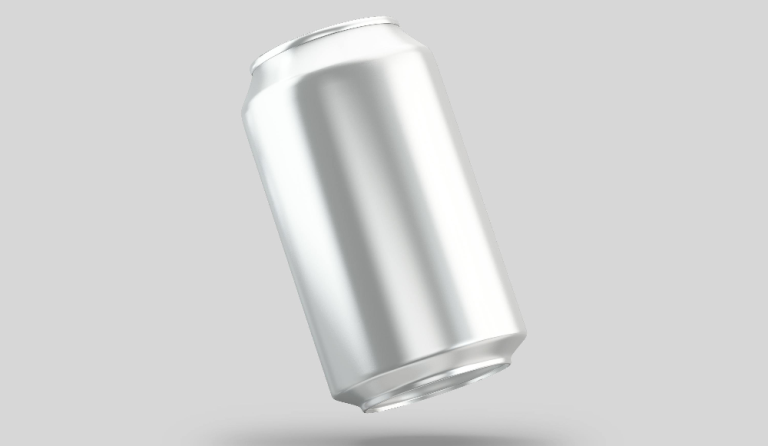
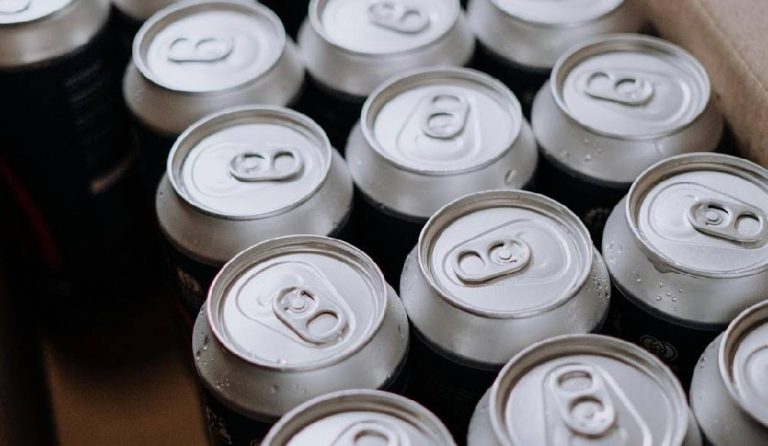
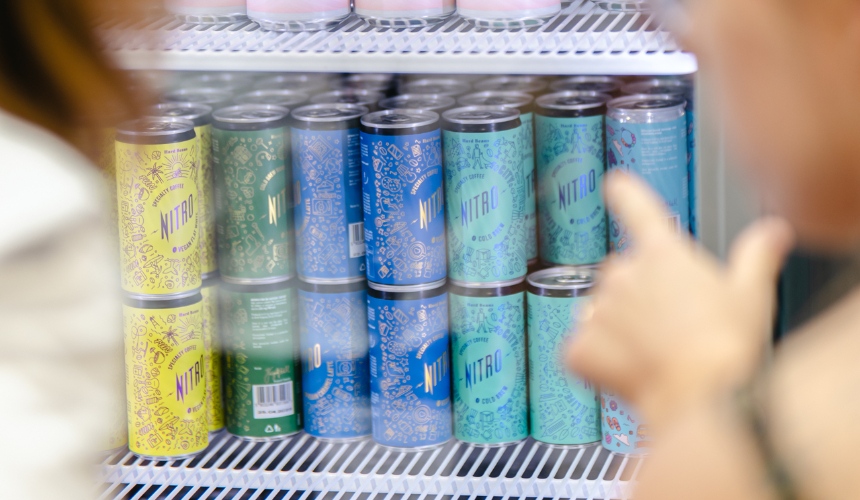
One of the main purchasing factors when consumers buy a product is convenience. This can encompass several factors: be it portability or ease of drinking. For RTD coffee, this means formats that are easy to grab and go, such as aluminium cans, are the most popular.
Therefore, private label ready to drink coffee is a popular and profitable option for businesses, both from an operational and consumer standpoint.
What are the benefits of offering private label ready to drink coffee?
There are many benefits to choosing private label ready to drink coffee, including speed, money savings, and compliance with food safety regulations.
“We help partners launch their own branded iced coffee without the heavy burden of building production facilities,” Ramzi tells me. “This model removes the need for large capital investment in equipment and staff, converting fixed costs into flexible production.”
Speed is particularly important because traditional in-house drink formulation can be a time-consuming process. You have to develop a recipe, perfect it in-house, and test it against regulatory criteria in your launch regions. It can take months or even years if you need to make changes and go back to the drawing board.
“Private label reduces time to market and offers agility,” he adds. “It’s also a safer way to test new products, since recipes can be refined and scaled quickly without major risks.” Since you can rely on your private label manufacturer’s expertise and compliance, you can bypass these concerns.
The same goes for the money you can save. You don’t need to invest in testing laboratories, production factories, or canning facilities with a private label partner. This greatly reduces your setup costs. “It keeps budgets lean,” he says, meaning you can spend more on marketing and distribution.
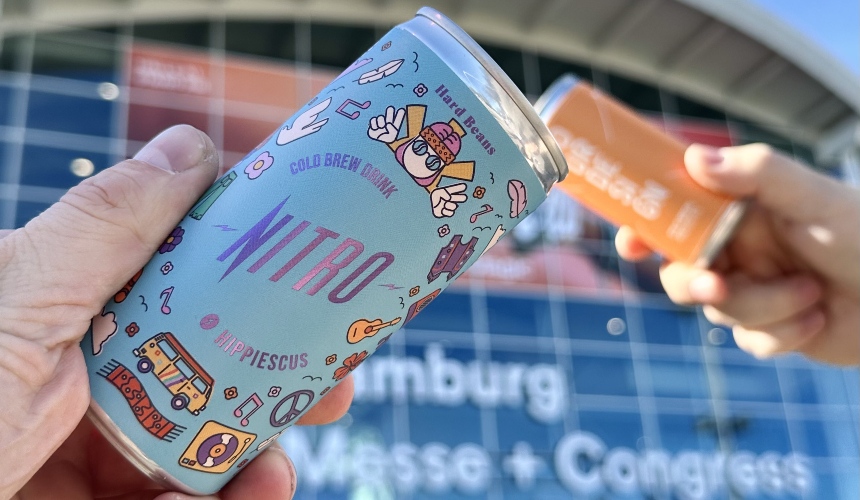
Equally, the formats you choose for private label ready to drink coffee can influence consumer psychology. Take sustainability into account: it’s one of the major purchasing factors today, with up to 73% of EU consumers caring about the environmental impact of a product. If you choose aluminium cans – which are infinitely recyclable and easy to dispose of – you can match these demands and attract customers.
For these reasons, Ramzi understands the value of private label RTD coffee. “In a competitive market like MENA, private label isn’t just an option, it’s a growth strategy,” he says. “By combining strong branding with production expertise, businesses can deliver coffee products that stand out and win consumer loyalty.”
Going to market with private label ready to drink coffee
As such, the benefits of private label ready to drink coffee can transform a business’s operations. Not only can you save money and time, but the agility and speed mean you can constantly search for new ideas and trends to pioneer.
“The benefits are clear,” Ramzi says. “Businesses can focus on what they do best – branding, marketing, and distribution – while relying on us for world-class coffee engineering. Our partners bring the ideas, and together we bring them to life with consistency, quality, and speed.”
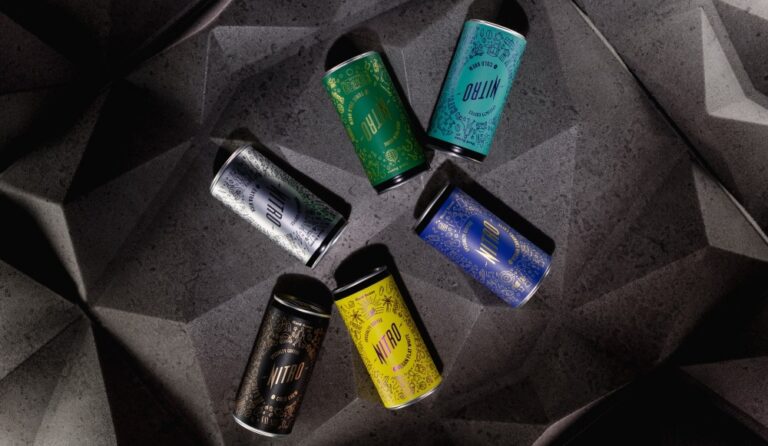
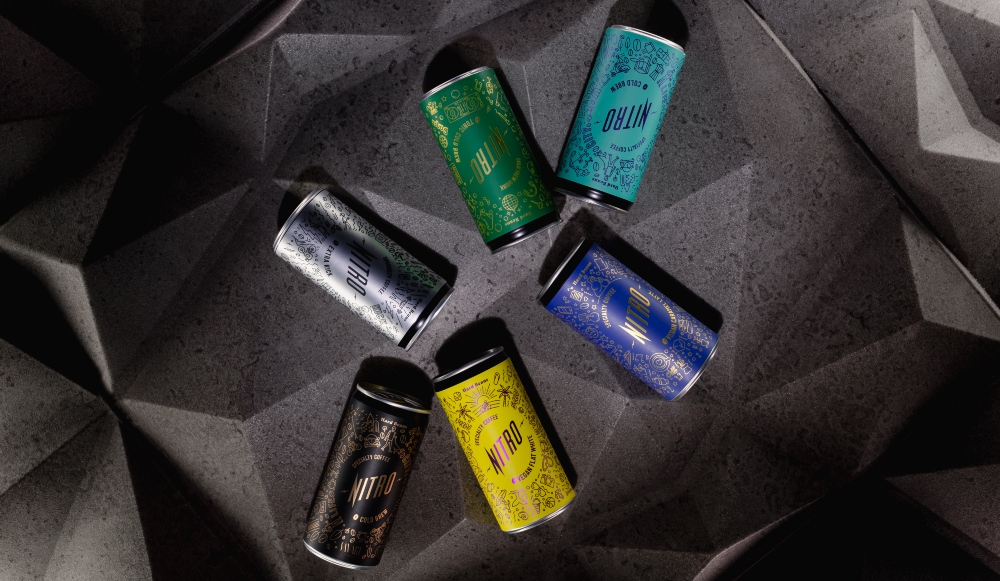
Companies like Hardtank offer a range of private label RTD solutions, ranging from cold brew coffee to iced lattes and functional beverages. With a lead time of six weeks and full BRCGS certification, you can quickly and efficiently launch high-quality drinks without compromise.
Private label ready to drink coffee: Key takeaways
- RTD coffee is more popular than ever, as consumers value convenient, grab-and-go cold coffee.
- Working with private label partners can help you launch a product in much less time and save money on setup costs.
- It can be a valuable growth strategy for all business sizes, from independent roasters to large retailers.
Ready to learn more about Hardtank’s private label RTD services? Visit our website to learn more or schedule a free consultation.
Private label ready to drink coffee FAQs
What is private label RTD coffee?
Private label ready to drink coffee is a product produced by a third-party manufacturer and sold under a different brand’s name.
How long does it take to launch a private label beverage?
It varies depending on your recipe complexity, compliance, and distribution facilities. For example, Hardtank offers a six-week lead time for private label RTDs.
Is private labelling more cost-effective than in-house production?
Yes. Businesses can save on upfront setup costs, allowing them to focus on marketing and distribution.
Want to learn more about private label coffee?
- Discover more: Read about Hardtank’s RTD services here.
- Hear from experts: Watch our webinar on developing custom RTD beverages.
- Book time with the team: Schedule a free appointment here.