
In this article, you’ll learn:
- How to collaborate with a private label partner for RTD functional drink development
- What inputs (ingredients, health benefits, flavour profiles) your manufacturers need
- Why functional drinks are dominating the next wave of consumer trends
For FMCG businesses, keeping up with consumer trends is essential. It’s a fast-moving industry where new drinks, flavour preferences, and demands can appear without warning. Rather than viewing them as a challenge, however, these growing markets present huge opportunities to win new customers and increase revenue.
One of the most significant consumer trends is the surging popularity of functional drinks. These are beverages designed to enhance health and performance, outside of the usual requirements of hydration and flavour. For new businesses entering the market, however, there’s a lot to consider.
To learn more, I spoke to Lexy Meyerson. She is the co-founder of Barlei, which produces sugar-free, low-calorie liqueurs and cocktail syrups. Read on for her insight into this fast-growing sector.
How does RTD functional drink development work?
First and foremost, RTD functional drink development works by choosing a partner and collaborating with them to determine the kind of drinks you want. Private label manufacturers can produce custom formulations based on the flavours and health benefits you want to focus on.
Crucially, you need to start by determining your key selling points. “When collaborating with any functional or ‘better-for-you’ beverage supplier, whether for RTDs or innovative cocktail programmes, the most important information to share is your product vision through a health lens,” Lexy tells me.
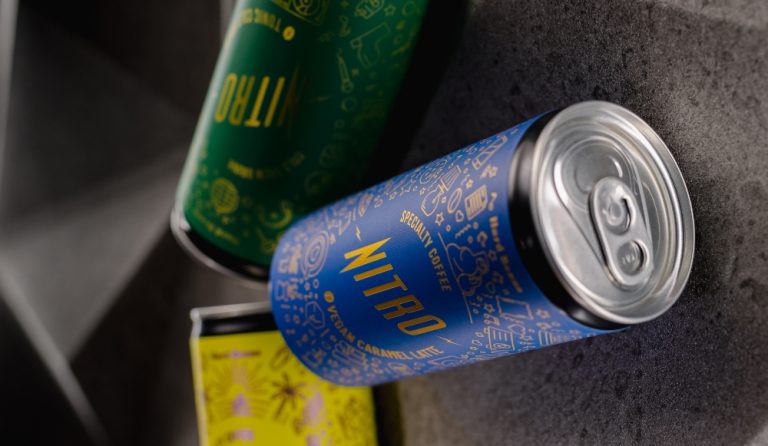
The health claims and benefits of your functional drinks can be incredibly varied. For example, you can offer RTD coffee containing L-Theanine, which provides a longer-lasting energy boost compared to caffeine. You could also create drinks containing adaptogens such as lion’s mane or reishi, two mushrooms that may increase calmness and reduce stress.
Knowing your brand pillars is essential for speeding up the consultation process prior to formulation. “Are you prioritising low sugar, low calorie, or added functional benefits like botanicals or adaptogens? Suppliers also need to know your target profile, intended flavour and wellness attributes, and required dietary or regulatory standards for your market.”
Once you’ve provided your supplier with this information, they can begin the RTD functional development process. Manufacturers often give you various rounds of feedback, allowing you to attune the drink to your specifications. For example, Hardtank’s RTD services include three rounds of feedback prior to finalising the formulation.
Then, your supplier can formulate the drink – and even package it – before distributing it to you or your partners. “Suppliers deliver ready-to-use, precisely formulated, shelf-stable, and quality-assured products,” Lexy explains.
What are the benefits of private label RTD functional drink development?
Especially if you’re tapping into growing markets and new demographics, working with a private label RTD manufacturer can make it much easier to launch functional drinks.
“Partnering with a specialised supplier in the better-for-you beverage space saves significant time compared to developing functional, health-forward drinks in-house,” Lexy says. “This streamlined process helps hospitality teams stay agile in responding to health trends, ensuring reliable flavour and functional benefits at scale.”
The time savings are incredibly beneficial for FMCG businesses. Private label manufacturers such as Hardtank offer a six-week lead time after deposit payment and design approval. Doing it from scratch can take years, with just the formulation process often lasting six months. Thanks to your manufacturer, you can skip extended compliance processes and lean on their existing knowledge and experience.
This means your go-to-market time is much shorter – an essential requirement for appealing to fast-emerging consumer trends. Currently, the functional drink sector is growing at 5.6% each year, expected to rise to 7.49% by 2029. To get ahead of the competition and establish yourself as a leader in this fast-growing sector, it’s crucial to launch your product as quickly as possible. With RTD functional drink development from a private label partner, you’ll see the sales benefits much faster.
Equally, you can bypass a number of common bottlenecks in functional drink development. For example, if you choose to produce all of your drinks in-house, you’ll need to ensure each serving is exactly the same as the last – both in flavour and quantity. Otherwise, you may jeopardise your reputation with consumers.
“This collaboration reduces variability and the complexity often faced when replicating these health-driven beverages in-house,” Lexy adds. “It simplifies innovation while ensuring consistent quality, flavour, and wellness benefits across the entire beverage programme.”
The money savings are another benefit of private label functional drink development. There are many operational costs associated with the process, from investing in equipment and manufacturing warehouses to paying for certifications to sell the drinks in other regions. Working with a partner who already has these facilities means you free up capital for marketing once your RTD functional drink is ready to launch.
How popular are RTD functional drinks becoming?
For FMCG businesses across the board, RTD functional drink development is an incredibly fruitful venture. While the benefits of working with a private label manufacturer are clear, understanding the market is essential to convey an image of authenticity to customers.
“The entire beverage landscape is being reshaped by health-forward innovation,” Lexy says. “It’s not just RTDs, but cider, beer, wine, non-alcoholic drinks, and increasingly, cocktails. Globally, the demand for health-centric beverages, including low-sugar, low-calorie, and functional drinks, is surging.”
These shifting expectations are particularly driven by younger consumers. Gen Z is especially focused on health, with 85% regularly choosing healthier food and drink options. Their spending habits are proving this, too, with 38% of young consumers willing to pay more for drinks with added health benefits. As such, it’s an incredibly fruitful avenue for FMCG businesses.
“Non-alcoholic, low- and no-sugar, and low-calorie options have become mainstream staples,” Lexy tells me. “There’s a real opportunity to innovate and create better-for-you drinks that resonate with today’s health-conscious consumers.”
Why it’s the right time to launch a functional RTD
In conclusion, functional drink development is one of the fastest-growing trends in the FMCG sector – and is only going to become more popular in the future. Therefore, knowing how to start, and what information to give your private label suppliers, will help you tap into this exciting new market.
Key takeaways
- RTD functional drinks are a fast-growing category in the FMCG space, especially among Gen Z and health-focused consumers.
- You can develop drinks with benefits like energy support, cognitive clarity, and stress relief using ingredients such as adaptogens or nootropics.
- Working with a private label partner speeds up time-to-market and removes production, compliance, and quality hurdles.
Ready to explore RTD functional drink development? Visit our website to learn more or schedule a free consultation.
FAQ
How does functional drink development work?
Working with a private label manufacturer, you can share your ideal formulation, flavour notes, and health benefits for a functional drink. Then, they will work to produce the drink and prepare it for launch.
How long does functional drink development take?
With a private label partner, functional drink development can take as little as six weeks after approval. Doing it yourself can take upwards of 12 months.
Are functional drinks popular?
Yes! Functional drinks are one of the fastest-growing areas of the FMCG industry, especially with younger demographics looking for health-focused beverages.