

In this article, you’ll learn:
- Why cold brew demand now holds up well outside summer
- When scaling back seasonally still makes commercial sense
- What should actually decide the call for a given café
Iced coffee used to be a warm-weather drink. Now, with strong cold brew options on the menu, many people order cold drinks all year. One indicator comes from Starbucks, which reported that 60% of global sales came from cold drinks.
Jacob Fox is co-owner of Little Bear Coffee in Albuquerque, New Mexico. We spoke with him about how the shops handle cold brew through the year. Read on for his insights.

What’s the commercial case for running cold brew year-round?
The case rests on demand that no longer disappears in winter, and on how far a single base stretches across a menu.
The global cold brew market is growing 22% each year, which makes it an important menu item for cafés. In the US alone, 21% of cold coffee consumers opt for cold brew. It is an easy drink to serve, and a smooth option for many café visitors.
Cold brew is also a versatile beverage. Baristas can brew it in a number of ways and with different beans, then can it, infuse it with nitrogen, or top it with seasonal cold foams. As the RTD sector grows, cafés that ignore cold brew risk falling behind.
At Little Bear, cold brew stays on the menu year-round across both shops. “Part of that is probably influenced by our cafes all being located in the high desert of New Mexico. But we see our customers pretty regularly enjoying cold brew regardless of the weather or temperature,” says Jacob.
Gen Z drives much of this increased demand, being more health-conscious and keen on drinks with real benefits. Strong iced coffee over alcohol is becoming the norm for that generation. The demand shows up at the counter, where cold brew orders keep climbing. Cafés need to meet it, and to know when it peaks and drops.
What’s the case for scaling cold brew back seasonally instead?
Scaling back suits smaller cafés, where production time, counter space, and waste outweigh thin off-season sales.
Fewer than a quarter of cold coffee drinkers order cold brew. For some cafés, that makes a year-round listing hard to justify, and the warm months the better bet. Making cold brew takes significant time and space, and it can lead to waste. A smaller shop that sells little of it cannot absorb that cost.
There are ways around this. One is to run seasonal cold brew drinks through the year, which keeps interest alive in the colder months. Cafés around the world infuse their cold brew and add a variety of cold foams to keep the menu lively. Some also change the beans behind each brew, which gives regulars something new to try.
Another option is to offer canned cold brew produced in-house or through a contract manufacturer. This can reduce the need for daily fresh production, although cafés still need to plan storage, stock levels, and replenishment around demand. That keeps an easy choice available for regulars once the fresh version leaves the menu, and RTD has gained plenty of ground recently.
Little Bear has not pulled back. “We haven’t ever scaled it back in a year over year sense, but we do definitely make more of it during the hotter summer months,” Jacob adds. A reliable customer base keeps cold brew popular across the calendar. That means some cafés need to perfect their brewing process to protect efficiency and quality.

What actually determines the right approach for a given café?
Climate, the strength of the regular customer base, and the equipment on the counter decide it, rather than the season.
Climate is the first factor. A region that stays warm longer, or turns cold earlier, shifts cold brew demand with it. For most shops, demand climbs in summer, so brewing climbs with it and more time goes into preparation. In cold months, demand may drop, and production needs tighter control.
A café should also weigh its own customer base. A reliable core of regulars ordering cold brew is what justifies a year-round listing. Understanding that demand then guides batch timing, so the product is ready when customers want it, particularly in warmer months. Labelling each batch and discarding old ones protects freshness and quality.
At Little Bear, the cold brew is the star. “We don’t do any seasonal cold foams, I think we enjoy letting the coffee be the highlight. We are considering rolling out some premium single origin cold brew options on our menu for next year. I think customers would really enjoy getting to taste different coffees side by side as cold brew,” Jacob elaborates.
Equipment makes a real difference to production and space. Equipment choice affects production time, cleaning workload, and the space available behind the bar. For cafés with limited counter space or busy service periods, these practical constraints can influence how efficiently cold brew can be produced. That pressure only grows at peak times, when more cold brew needs making.
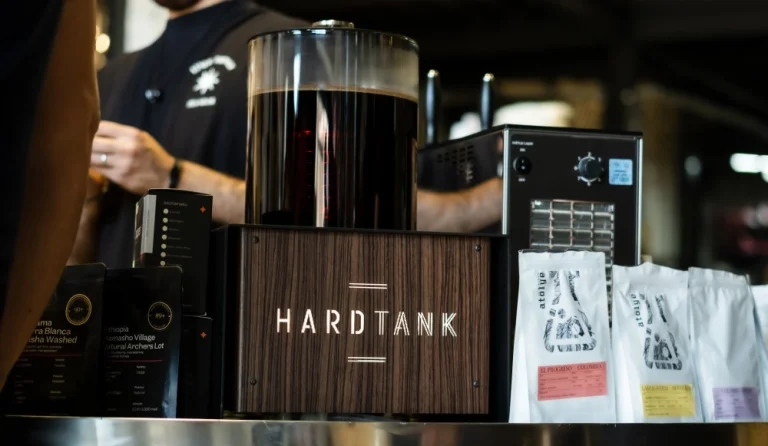
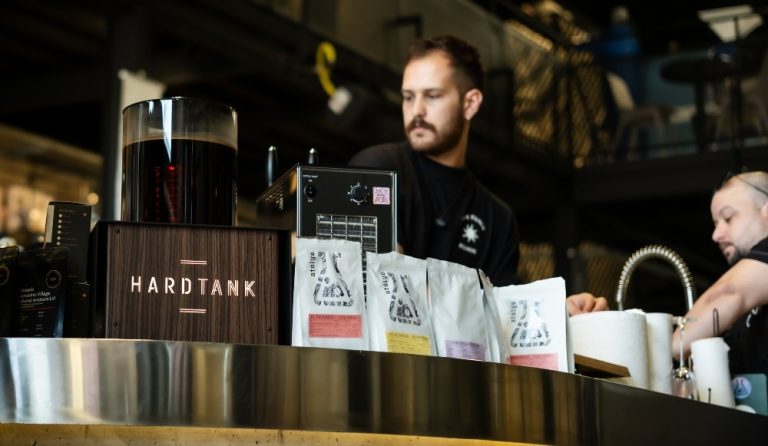
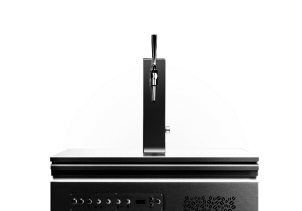
To improve production and reclaim time and space, a strong option is the Hardtank 20. It brews faster than the usual immersion method, reduces waste, and fits neatly on a countertop. The machine is also self-cleaning, which saves staff more time again.
The best path forward starts with understanding cold brew demand across the year. From there, decide whether cold brew belongs on the menu year-round or seasonally. Build a production plan around expected demand, then choose the equipment, supply model, and sales approach that best fit the café’s needs.
Cold brew year-round: Key takeaways
- Cold drinks now account for 60% of Starbucks global sales, and the cold brew market grows 22% a year.
- Smaller cafés may still do better scaling back, since production time, space, and waste carry a real cost.
- Climate, a reliable base of regulars, and the right equipment decide the answer, rather than the season.
Want cold brew you can run all year? Explore the Hardtank 20, or schedule a free consultation.
Cold brew year-round: FAQ
Should cafés serve cold brew in winter?
Many now do. Little Bear keeps it on the menu all year and sees steady orders regardless of weather, though the shops brew more through the hotter months.
What makes cold brew expensive to run off-season?
Time, space, and waste. Brewing takes hours and occupies counter room, so a smaller café selling little of it in winter absorbs the cost of batches that do not sell.
How can a café keep cold brew interesting year-round?
Rotate the beans, add seasonal cold foams or infusions, or move to cans off-season. Each keeps the drink on the menu without demanding fresh production every day.
Want to sharpen your cold brew production?
- See the machine: get to know the Hardtank 20.
- Sell more of it: how to sell cold brew coffee.
- Speak to the team: schedule a free consultation.