

In this article, you’ll learn:
- Why bartenders now treat cold brew as a culinary ingredient
- What separates great cold brew cocktails from forgettable ones
- How equipment is changing what bars can put on the menu
Cold brew has moved well past the coffee shop counter and into more bar and cocktail programmes across the US. What was once a niche category dominated by sweet, dessert-style drinks or the familiar Espresso Martini has become a space for genuine culinary experimentation.
Lee Sill is head of partnerships and education at Pinewood Coffee Co. He also serves as head judge and committee member for the US Coffee in Good Spirits Championship. Sill has built coffee cocktail programmes and judged national competitions. He breaks down what is driving the shift, what separates a great cold brew cocktail from a forgettable one, and how equipment is reshaping what bars can offer.

Why are more bars adding cold brew cocktails to their menus?
Bars are adding them because bartenders now treat coffee as a culinary ingredient, and cold brew gives a more forgiving base than espresso.
The biggest change Sill has observed is in how bartenders think about coffee itself.
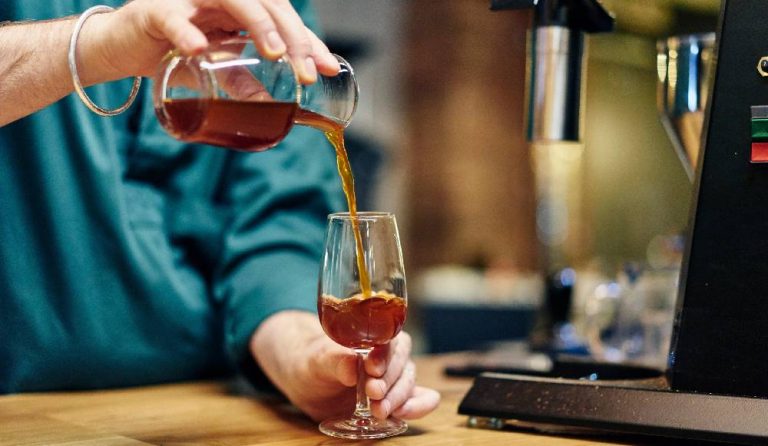
“Early coffee cocktails tended to fall into one of two camps: overly sweet, milky dessert drinks or the classic vodka-and-coffee liqueur Espresso Martini. That has changed considerably. Through my work in elevated coffee cocktail programs and judging the US Coffee in Good Spirits competition, I have watched bartenders start treating coffee as a complex culinary ingredient rather than as just a way to add coffee flavor.”
That shift extends to the spirits bartenders choose to pair with it. Rather than defaulting to whiskey or vodka, Sill points to a growing willingness to experiment with botanical gins, funky rhum agricoles, and a range of tequila styles.
Bartenders with barista backgrounds pay particular attention to a coffee’s processing method and variety. They use those nuances to shape how the drink comes together in the glass.
Part of what makes this level of experimentation possible is the base itself. Cold brew can be a more forgiving base than hot-brewed coffee or espresso in a cocktail context. Espresso can work well, but its flavour and aromatic profile can change as it cools and is incorporated into a chilled cocktail, making consistency more difficult to manage.
Cold brew avoids much of that risk. Sill says, “it is an inherently more forgiving process, and it consistently yields a smoother, sweeter base than its hot-brewed counterparts.”
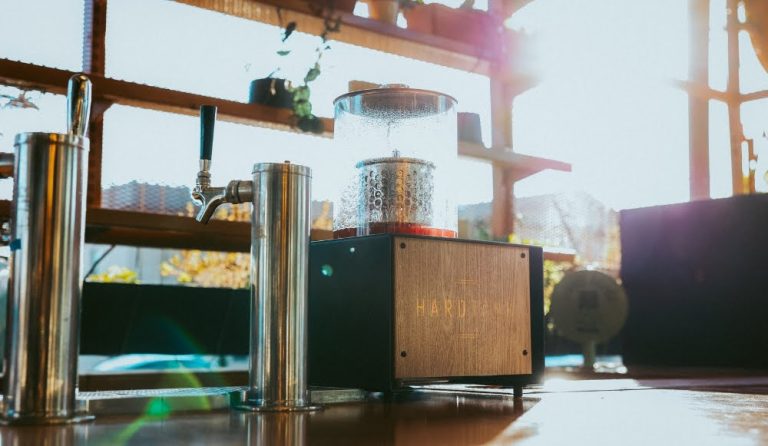
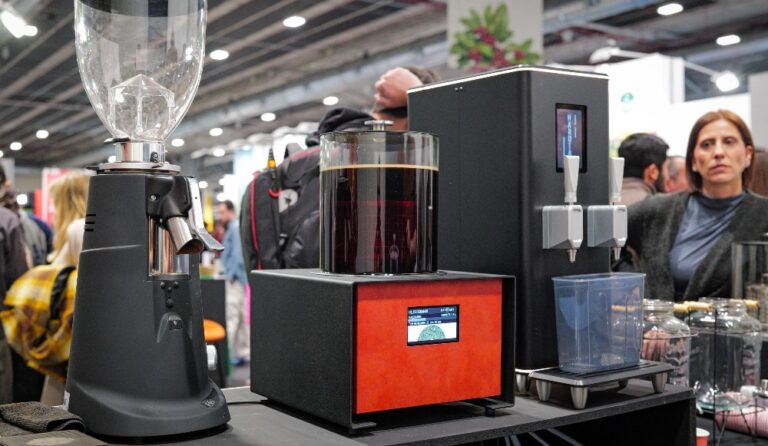
Equipment plays a role here too. Traditional cold brew methods sacrifice some of the aromatic complexity that hot water extraction naturally pulls out. Sill notes that an enclosed, faster brewing system as Hardtank can give bartenders greater control over the extraction and help preserve more of the coffee’s aromatic character. The enclosed process can help improve control over the extraction environment and produce a more consistent base from batch to batch.
What makes cold brew cocktails actually work?
A cold brew cocktail works when the coffee lifts the spirit and the spirit lifts the coffee, with a concentrate strong enough to survive dilution.
Sill’s judging criteria for the US Coffee in Good Spirits competition offer a useful framework for what separates a strong cold brew cocktail from a mediocre one. Judges evaluate both the quality of the coffee itself and the extraction process behind it.
If a bartender makes specific flavour claims about the drink, those flavours need to come demonstrably from the coffee rather than from syrups, bitters, or other add-ins.
The standard Sill applies is simple to state and harder to execute: “the coffee should lift the spirit, and the spirit should lift the coffee.” That balance, rather than any single technique or ingredient, defines a cocktail that reads as intentional instead of generic.
Sill shares a useful insight. “A high scoring competition cocktail treats the coffee as an equal partner to the base spirit. If the drink just tastes like generic ‘coffee with alcohol,’ the bartender likely used a more developed, lower-quality coffee and tried to mask it with sugar. A truly impressive beverage uses the coffee to introduce a completely new flavor dynamic to the beverage.”
“For example, if a bartender selects a coffee with fruit-forward notes and builds the cocktail around those specific esters, they are adding exactly the kind of complexity we look for when assessing scores to the beverages. Ultimately, the coffee should lift the spirit, and the spirit should lift the coffee.”
One common mistake when bars build a cold brew programme for the first time is using standard-strength cold brew instead of a true concentrate. Because standard cold brew is already mostly water, shaking it with ice and spirits dilutes it further, leaving a thin, watery drink.
Sill recommends a concentrate at roughly a 1:4 or 1:5 ratio. At that strength, the coffee’s flavour and texture hold their own against both the ice and the alcohol.

How is equipment changing cold brew cocktails?
Rapid extraction and nitro taps give bars the speed, consistency, and texture to put cold brew cocktails on the core menu.
Nobody designed the traditional cold brew process with cocktail service in mind. Sill describes the standard approach: “steeping grounds in a plastic bucket for 12 hours or more.” It demands significant space, strict sanitary handling, and a full day of planning.
If something goes wrong mid-batch, or a bar simply runs out during a busy shift, there is no way to produce more on short notice.
Dedicated commercial equipment built around rapid extraction changes that equation entirely. Sill calls systems like Hardtank, which can brew a full batch in under an hour, “a complete game changer” for beverage programmes. That speed turns cold brew from a planning liability into a scalable, foundational ingredient.
The impact goes beyond convenience. With faster production and consistent output, beverage directors gain confidence to put high-margin coffee cocktails on their core menus. Proper food safety protocols and enough capacity keep those drinks flowing through an entire shift.
Nitro and on-tap systems extend that same logic to texture. Nitro draft systems can add a rich, creamy mouthfeel without requiring a fresh foam-building step such as dry-shaking with egg white or aquafaba. That technique takes time and creates bottlenecks during heavy service.
By infusing nitrogen into the beverage and dispensing it through a suitable draft system, these systems can create a velvety texture and fine foam at service. With a formulation designed for draft service and the appropriate dispensing setup, bars can serve pre-batched coffee cocktails from the tap, including draft-style espresso martinis.
Cold brew’s growing presence on cocktail menus reflects a broader shift in how some bartenders approach coffee. It reflects a genuine shift in how bartenders approach coffee. They treat it as a complex, variety-driven ingredient, and as a component deserving the same intentionality as any spirit behind the bar.
Better base ingredients, more thoughtful spirit pairings, and equipment built for speed and consistency are giving bars more ways to integrate coffee cocktails into regular service rather than treating them as a seasonal novelty.
Cold brew cocktails: Key takeaways
- Bartenders now treat cold brew as a serious culinary ingredient, pairing it with gin, rhum agricole, and tequila.
- A true concentrate, at roughly 1:4 or 1:5, is what stops a cold brew cocktail turning thin and watery.
- Rapid extraction and nitro systems give bars the speed and consistency to put coffee cocktails on the core menu.
Ready to build cold brew cocktails into your bar menu? Explore Hardtank’s tap systems and espresso martini taps, or schedule a free consultation.
Cold brew cocktails: FAQ
What makes a good cold brew cocktail?
Balance. The coffee should lift the spirit, and the spirit should lift the coffee. If a drink claims specific flavour notes, those notes should come from the coffee rather than from syrups or bitters.
Why do bars use cold brew instead of espresso in cocktails?
Cold brew is a more forgiving base. Espresso can work, but its flavour and aromatic profile can change as it cools and is incorporated into a chilled cocktail, making consistency more difficult to manage. Cold brew yields a smoother, sweeter base.
What cold brew concentrate ratio works best in cocktails?
Sill recommends roughly 1:4 or 1:5. Standard-strength cold brew is already mostly water, so shaking it with ice and spirits leaves a thin drink. A concentrate holds its flavour and texture through dilution.
Want to serve coffee cocktails on draft?
- See the systems: discover the Hardtap dispenser.
- Explore the menu: drinks you can serve from a nitro tap.
- Speak to the team: schedule a free consultation.